Live Shopping Landscape Shifts as Live Digital Expands Service Reach in South Africa
Live Digital expands advertising and digital services in South Africa, signaling fresh opportunities and challenges for live shopping sellers seeking broader reach.
Live Digital, an advertising and digital services company headquartered in Johannesburg, has expanded its footprint in South Africa, as first reported by tavily.com. This move brings new resources and potential reach for brands, retailers, and creators invested in live shopping. While the company’s financials and personnel details remain limited, their services are positioned to affect how digital commerce campaigns connect with audiences in the region.
Live Digital’s Expansion: What’s New and Why It Matters
Live Digital is based in Johannesburg, offering advertising and tech-driven solutions to businesses seeking growth online. According to tavily.com, the company has broadened its product offering and industry presence locally. This includes a suite of advertising services and tools aimed at digital-first brands and agencies. Although Live Digital hasn’t published customer figures or financial results, their expanded services suggest a push to attract clients ranging from startups to established companies looking to tap into South Africa’s digital economy.
The company presents itself as a one-stop source for digital campaigns, web activations, and online advertising. For merchants, the draw lies in potential access to new digital tools and API-driven integrations, supporting real-time campaigns across multiple platforms. While details are still emerging, the expansion signals growing competition and innovation in the regional live shopping ecosystem.
What This Means for Live Shopping Sellers and Creators
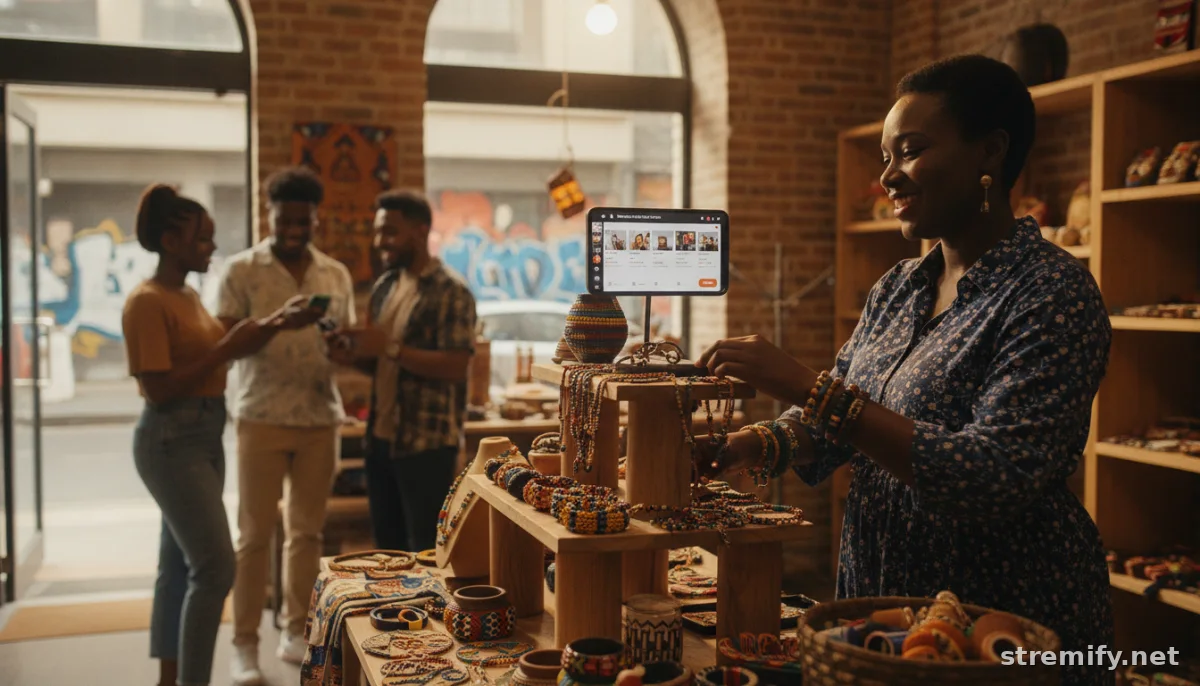
For anyone running live shopping campaigns, Live Digital’s move is more than a regional business story. It represents a shift in the mix of partners and platforms available, especially for South African merchants or brands targeting the area. New service providers can mean fresh tools, wider distribution, and potentially lower costs, but also more complexity when choosing tech partners.
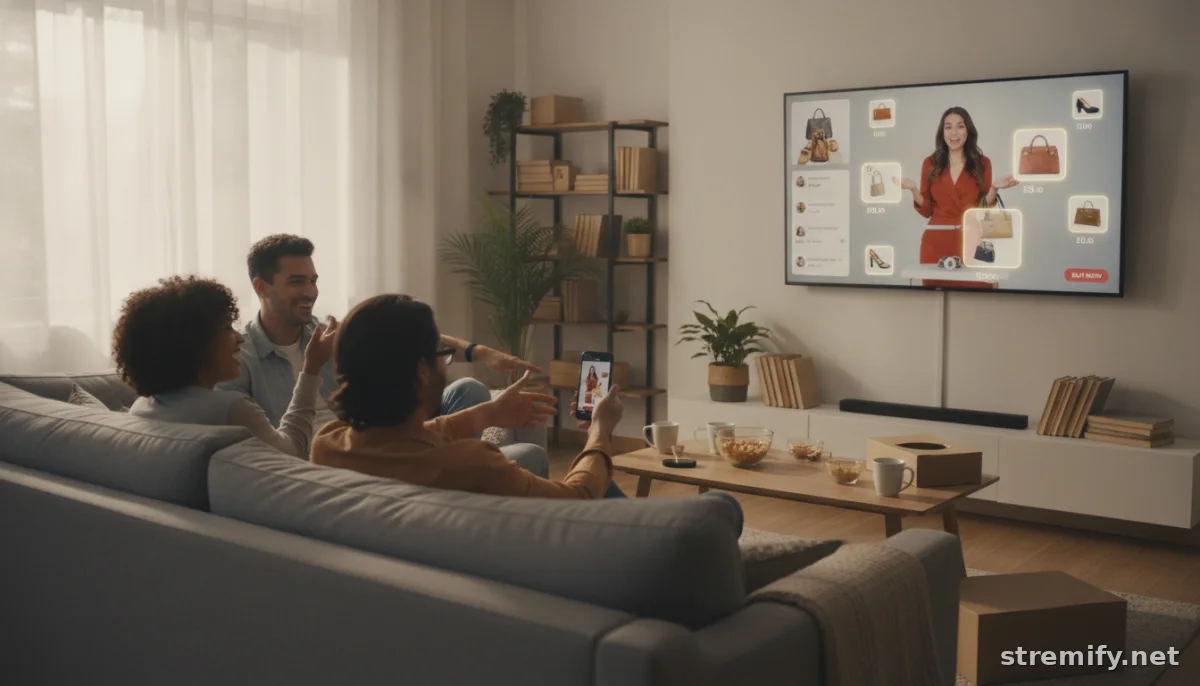
In our experience operating Stremify, the live shopping market is moving fast, sellers want tools that let them import their existing catalogue, broadcast across multiple channels, and allow instant purchasing without sending shoppers away from the stream. More digital service providers in the space could accelerate this trend, especially if they bring in better integration with local payment or logistics partners.
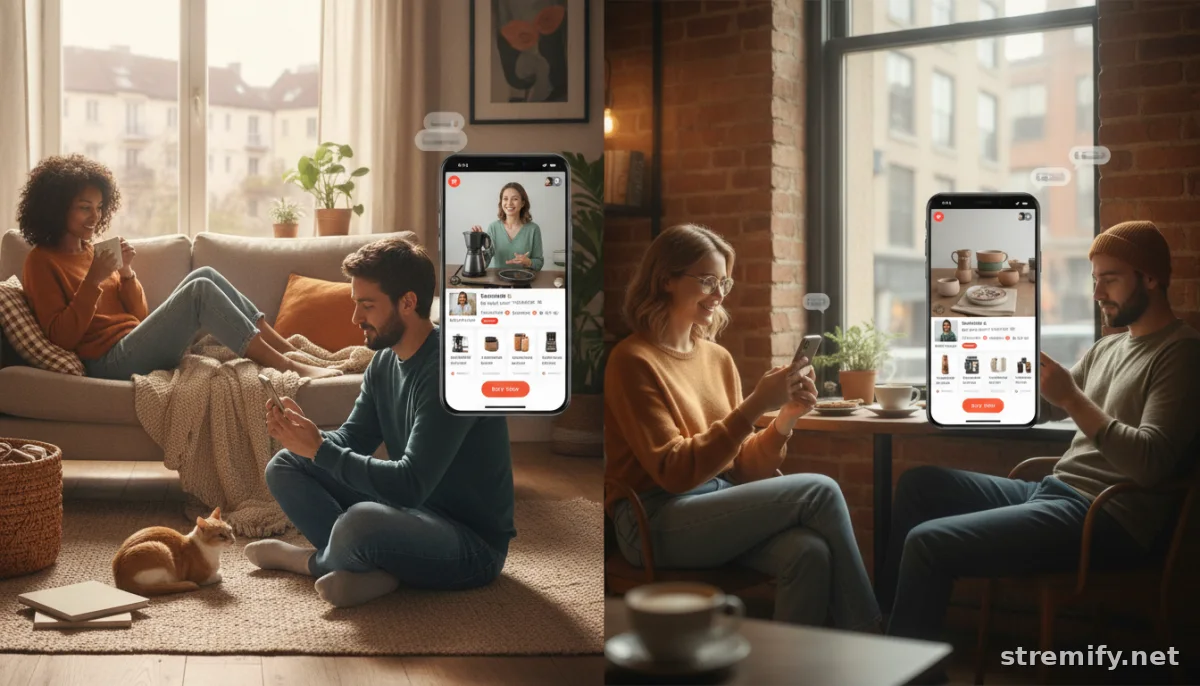
Live shopping creators should watch how easily these services connect with their preferred platforms, Shopify, WooCommerce, Facebook, TikTok, and others. For example, Stremify lets you host campaigns in your browser, sell via comment-to-buy, and reach audiences on TikTok, YouTube, and more, all powered on a pay-as-you-go credit model instead of fixed monthly fees. As service competition grows, expect innovation not just in features but in pricing and campaign analytics too.
One practical tip: Before switching to any new digital partner, review their onboarding process and real integration capabilities. Some tools promise "one API" but take weeks to go live or only partially sync your product data. A quick table comparison highlights what to check when evaluating new live shopping tech partners:
| Feature | Stremify | Generic Agency Partner | Live Digital* |
|---|---|---|---|
| Pricing Model | Credit-based (pay-as-you-go) | Monthly retainer or project fee | Not public |
| Product Import | Any feed (Shopify, Woo, Magento, CSV) | Custom builds required | Not specified |
| Multiplatform Streaming | Yes (TikTok, YouTube, etc.) | Depends on package | Not specified |
| Comment-to-Buy | Included | Rarely | Not specified |
| Onboarding Time | Same day | Varies, often weeks | Not specified |
*Based on publicly available information as of this writing
Outlook: The Live Shopping Market Keeps Evolving
Live shopping sellers in South Africa and beyond should expect to see more service providers like Live Digital competing for their business. This competition can bring better support, local expertise, and possibly more affordable campaign options. But it also means you need to vet partners carefully and prioritize plug-and-play integrations that reduce friction for both your team and your audience.
With live commerce technology advancing fast, staying agile is key. Platforms like Stremify offer a browser-first, credit-based model for sellers who want to experiment and scale at their own pace. If you’re exploring new tools or partners, look for those who make it easy to get started and keep control over how you present and sell your products.
Ready to see how live shopping could work for your brand? Try Stremify for your next campaign and bring your catalogue to every major social channel, no extra gear required.
Frequently asked questions
What is live shopping and how does it work?
Live shopping blends live video streaming with e-commerce, allowing viewers to purchase products in real time as they watch. Sellers showcase items and answer questions live, while shoppers buy instantly through links or interactive tools.
Which platforms support live shopping features?
Major platforms include TikTok, Instagram, Facebook, YouTube, and Twitch. Services like Stremify let you stream to multiple channels at once and enable order placement directly during the broadcast.
Why is live shopping growing in popularity?
Live shopping creates an interactive, social experience for buyers. Viewers can ask questions, see real-time product demos, and make purchases instantly, which boosts engagement and conversion rates compared to static online catalogs.
How do I start a live shopping campaign?
First, pick a platform or tool that fits your needs, such as Stremify for cross-channel streaming. Import your product feed, design your storefront, and schedule your first live show with engaging offers and interactive elements.
Is live shopping expensive for small sellers?
Costs vary. Stremify, for example, uses a pay-as-you-go credit model rather than a monthly fee, which can be more affordable for small merchants or those testing out live shopping for the first time.