Social Commerce Grows, But Live Shopping Merchants Weigh the Next Step
Live shopping is evolving as brands like De’Longhi and Whispering Smith double down on social commerce. Here’s why live sellers should take note, and what comes next.
Social commerce has moved from experiment to essential, as first reported by diginomica.com this week. Retailers like De’Longhi and Whispering Smith are putting real resources into live shopping and shoppable content. But while brands race to meet shoppers on TikTok and Instagram, they're pausing before diving into the next trend, AI-driven agentic commerce.
Brands Double Down on Live Shopping, But Some Hold Back on AI Agents
Big names including De’Longhi and Whispering Smith are betting on live shopping and social commerce channels to reach new buyers. Life360, which sells tracking tech, is also reworking its operations to address changing customer journeys, according to diginomica.com. The shared challenge? Adapting structures and mindsets built for old-school retail to the fast feedback loops of social media and live selling.
De’Longhi, for example, is still feeling the pain of shifting from B2B to direct-to-consumer. They highlight the real cost: not tech, but team change management, especially when every market and channel needs localized engagement. Whispering Smith, meanwhile, is about to launch live shopping on TikTok, seeing social selling as core to their current sales goals. The consensus: shoppers now discover, engage, and buy on social platforms, not just traditional web stores.
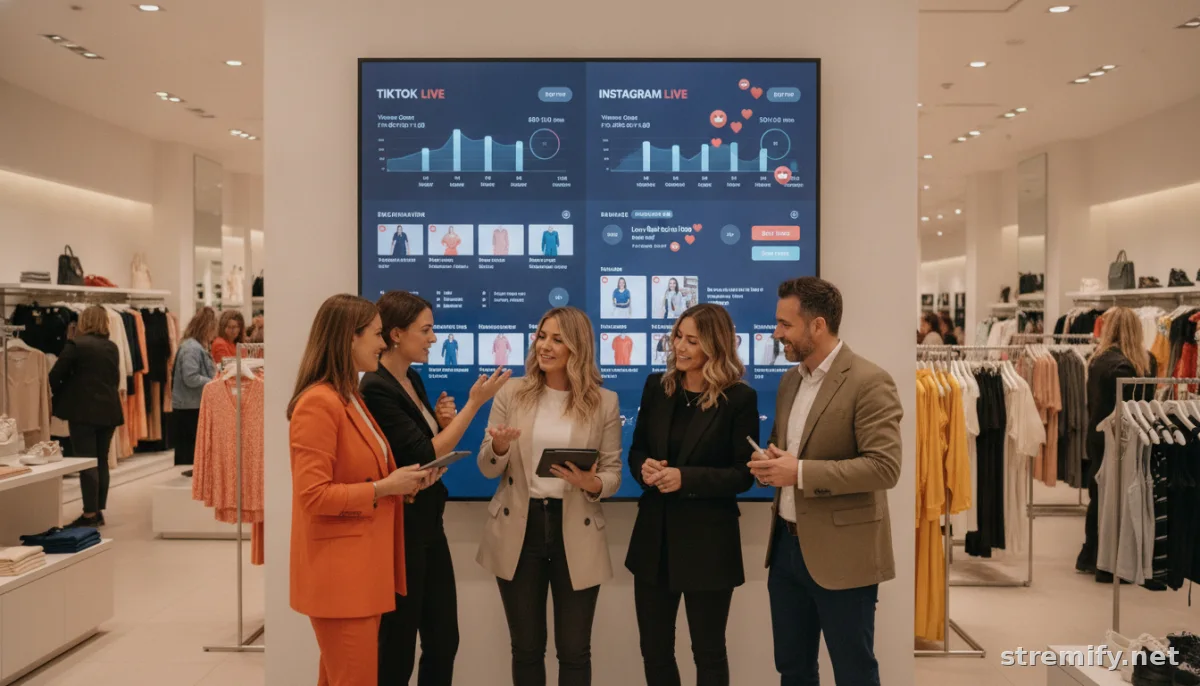
But while live commerce is maturing, agentic commerce, where AI agents automate the entire purchase flow, remains experimental. Both Life360 and De’Longhi are discussing how these AI tools might shape the future, but they are not yet handing over checkouts to bots. The technical foundation is there (data lakes, AI pilots), but most retailers are testing the waters instead of taking the plunge.
Why This Matters for Live Shopping Merchants
If you’re running live shopping campaigns, the message is clear: social commerce is no longer a test. It is where your next customer is already shopping. Platforms like TikTok, Instagram, Facebook, and YouTube are now the standard channels for product discovery and conversion. Brands that focus on creating fresh, engaging content, and keep their product feeds up to date, stand out.
Here’s what stands out for live sellers: engagement trumps everything. De’Longhi points to the pressure of daily new content, not just to attract shoppers, but also to keep affiliates and influencers motivated. In our experience with Stremify, campaigns that blend shoppable video with interactive features like live quizzes consistently see higher watch times and orders. And credit-based pricing lets merchants scale up without long-term lock-in or big monthly fees.
One insight from the diginomica.com report: organizations that document their processes and data have an easier time adapting. For live sellers, that means tracking what shows, hosts, and time slots drive the most conversions, and using that data to guide future streams. If you’re syndicating your event across TikTok, Facebook, and YouTube, you want a clear picture of where your audience actually buys.
Tools matter, but so does mindset. Life360’s team is rethinking everything from reviews to checkout, and Whispering Smith uses AI for stock and pricing, yet both are focused on keeping the human connection. Automation is coming, but live shopping still relies on personal interaction: real sellers, real-time engagement, and the thrill of buying in the moment.
| Platform | Live Shopping? | Pricing Model | Interactive Features |
|---|---|---|---|
| Stremify | Yes | Credit-based (pay-as-you-go) | Live quizzes, polls, comment-to-buy |
| TikTok Shop | Yes | Platform fees | Shoppable video, influencer campaigns |
| Yes | Platform fees | Product tags, live video | |
| Yes | Platform fees | Live video, comment selling |
Outlook: What’s Next for Live Shopping?
Live shopping is no longer optional for ambitious merchants. The current challenge is not tech, but process and mindset: regular content, agile teams, and a willingness to adapt. AI-powered buying agents might one day change the landscape, but today, successful live sellers focus on what’s proven to drive results, authentic engagement and seamless buying experiences wherever shoppers tune in.
If you want to reach buyers across all major platforms, try Stremify for browser-based live shopping and interactive streams, no extra hardware needed.
Frequently asked questions
What is live shopping and how does it work?
Live shopping combines livestreaming with ecommerce, letting viewers watch product demonstrations and buy directly during the broadcast. Shoppers can interact, ask questions, and complete their purchases in real time.
Which platforms support live shopping in 2026?
Major platforms like TikTok, Instagram, Facebook, and YouTube all support live shopping. Many merchants also use dedicated tools like Stremify to broadcast across several channels at once.
Why are brands investing in live shopping now?
Brands see live shopping as a direct way to engage customers, boost sales, and stay visible on social media where most shoppers now discover new products and trends.
What challenges do merchants face with live shopping?
Merchants need to create regular engaging content, manage new workflows, and keep up with fast-changing platforms and shopper preferences. Adapting fast is key.
Is live shopping expensive to set up?
Live shopping costs vary. Some platforms charge per stream or sale, while others like Stremify use credit-based pay-as-you-go pricing without long-term contracts or hardware requirements.