Legal Music Use in Ecommerce Live Streams: What Sellers Need to Know
Worried about music copyright in ecommerce live streams? Get clear on legal music use, licensing options, and best sources so your shop stays penalty-free.
Your live stream pops off, sales are rolling in, and suddenly, silence. Your broadcast is muted or blocked for copyright. Sound familiar? Music copyright enforcement on TikTok, YouTube, Instagram, and Facebook is not a scare tactic; it’s real, and getting it wrong is expensive.
Live commerce is booming, but staying legal with background music requires more than just hitting play on your favorite Spotify playlist. Here’s how ecommerce sellers can confidently use music in live streams without risking takedowns or fines.
Why Legal Music Use Matters in Ecommerce Live Streams
Every time you use a song in a commercial context, like a live shop, product demo, or Q&A, you’re broadcasting to the public. That means you need proper music rights. Platforms use automated audio scanning to spot copyright violations, and penalties can be steep: blocked streams, copyright strikes, or even fines up to $30,000 per track .1
This isn’t just about avoiding headaches. Music strikes and takedowns kill momentum, erode trust, and interrupt your sales flow. If you want a professional, worry-free stream, you need to understand licensing and how to source music that’s actually cleared for use.
Understanding Music Licensing for Live Streaming
Let’s break down which rights you actually need. Using music legally in live ecommerce streams isn’t as simple as paying for Apple Music or Spotify. Those are for personal listening, not public or commercial use.
Public Performance Rights and Sync Licensing
There are two key concepts:
- Public Performance Rights (PPR): Needed whenever music is played in public. This covers the right to broadcast music to an audience, live or online.
- Synchronization License (Sync License): Required if you’re syncing music with video, like background tracks during a live stream or in product videos .
Most ecommerce live streams need both. Paying for a song on iTunes, or even a DJ pool, does NOT grant you commercial streaming rights. Without those licenses, you’re exposed to potential bans and penalties.
What Happens If You Ignore Licensing?
If you stream copyrighted music without a license, platforms can instantly mute or block your stream. Repeat offenses risk strikes that can get your channel suspended. Copyright holders can also sue for statutory damages per infringing track .
Some streamers hope they’ll fly under the radar, but audio fingerprinting is near-instant on big platforms. It’s not worth the gamble.
Safe Music Sources for Live Commerce
So how do you find music that’s actually safe to use? Here are the main options for ecommerce sellers and live shopping hosts:
- Royalty-Free Music Libraries: Sites like Soundstripe, Track Club, and Epidemic Sound specialize in tracks cleared for commercial streams. You pay a monthly fee or per-track cost for a license that covers live and recorded streams.
- Platform-Provided Music: TikTok, Instagram, Facebook, and YouTube often have their own music libraries for creators. But read the fine print: many tracks are only cleared for personal accounts, not business or commercial use. Always double-check permissions on your seller account.
- Creative Commons Music: Some artists release work for free use, but licenses vary. Only use tracks labeled for commercial use, and always credit the creator if the license requires it.
- Custom/Commissioned Music: If you commission music or buy exclusive rights, you’ll have a contract granting you safe use. This is the gold standard, but it’s pricier and takes more time.
Never rip music from YouTube, movies, or personal Spotify playlists. Those aren’t licensed for business streams, and the bots can tell.
Music Licensing Platform Comparison
| Service | License Type | Covers Live Streams? | Commercial Use | Price Model |
|---|---|---|---|---|
| Soundstripe | Royalty-Free / Sync | Yes | Yes | Subscription / Per Track |
| Track Club | Royalty-Free / Sync | Yes | Yes | Subscription |
| Epidemic Sound | Royalty-Free / Sync | Yes | Yes | Subscription |
| Platform Libraries | Varies | Sometimes* | Check Terms | Included |
| Your Own Commissioned Music | Exclusive / Custom | Yes | Yes | Varies |
*Some platform libraries restrict commercial use for business accounts.
What About “Fair Use” or Background Noise?
Many sellers wonder if they can claim fair use, or argue that background music is just a minor element. Unfortunately, fair use is a gray area at best for commercial live streams.2 Courts usually don’t side with sellers using copyrighted music to drive sales, even if it’s quiet or in the background .
Playing music softly or talking over it doesn’t make it legal. If you didn’t get explicit permission or a proper license, you’re at risk.
How Platforms Handle Copyright
Big platforms have gotten strict. TikTok, Instagram, and YouTube all run automated copyright checks. If your stream includes music that isn’t licensed for commercial use, the system can instantly mute, disable, or remove your video. Sometimes, it’ll even block your entire account.
On TikTok, seller accounts are especially scrutinized. Platform music is only sometimes cleared for personal, not commercial, use; always check your account type’s terms before playing a track.
Music Use in Practice: Tips from Live Shopping Pros
After hosting hundreds of live campaigns on Stremify, we’ve seen what works and what causes problems. Here’s how real sellers get it right:
- Import Your Product List, Not Your Playlist: Focus on the products, not the DJ set. If you want background music, stick to licensed tracks from a reputable music library.
- Check Your License Every Time: Even one unlicensed song can trigger a takedown. Double-check that your subscription or purchase covers live and commercial use.
- Keep Your Receipts: If you license tracks, save your invoices and terms. If you’re ever challenged, you’ll need to show proof.
- Engage Without Relying on Music: We’ve found that interactive quizzes, polls, and real-time buying features get shoppers more engaged than background tunes ever could.
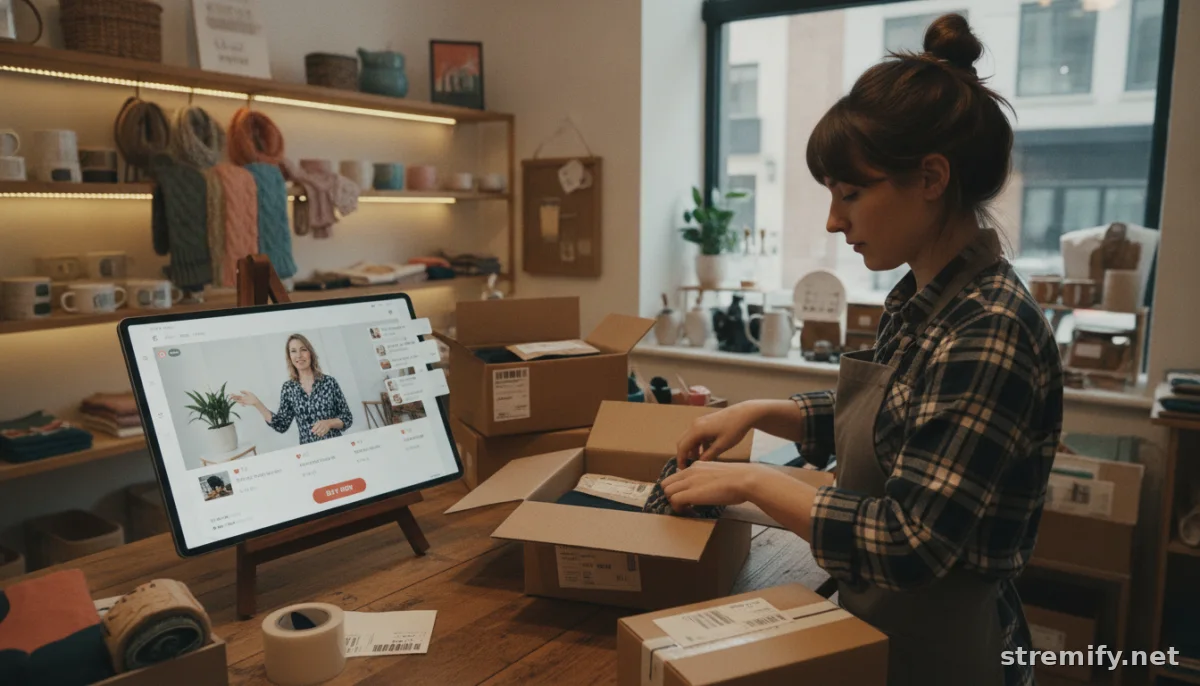
One more tip: if you’re running multi-platform live campaigns through a tool like Stremify, remember each site may have different rules. When in doubt, stick to the strictest policy across your platforms, usually YouTube or TikTok.
The Bottom Line: How to Stay Legal and Creative
You don’t need a music industry degree to stream safely, just a clear license for every track. That means skipping your favorite chart hits and relying on royalty-free or properly licensed music, ideally from a source that puts commercial live streaming in black and white on the contract.
If your live shop’s vibe is critical, investing in a quality music library is worth every cent. For most Stremify sellers, royalty-free tracks, platform libraries (where allowed), or even music-free streams keep things simple and safe. Your customers came to buy, not to listen to the latest pop single.
Don’t give copyright bots a reason to ruin your momentum. Get your music rights in order, then focus on dazzling your audience with the products and experience only you can offer. If you’re ready to launch your own live selling campaign, see how Stremify keeps your shop running smoothly, music and all.
Frequently asked questions
Do I need a special license to play music in my ecommerce live stream?
Yes, you generally need a commercial music license, such as a public performance or sync license, before playing music during live ecommerce streams. Personal or consumer music services like Spotify or Apple Music do not cover commercial streaming, even if you’ve purchased the track.
Can I use popular songs from Spotify or Apple Music as background music in my live shopping stream?
No, Spotify and Apple Music licenses are for personal use only. Using them as background music in business streams can result in takedowns or copyright penalties. You must obtain separate licenses specifically for commercial live streaming.
What are safe sources for music in ecommerce live streams?
Safe options include royalty-free music services like Soundstripe, Track Club, and Epidemic Sound, or music you have specifically commissioned or purchased for commercial use. Always ensure the license covers live and commercial streaming.
Can I claim fair use for background music in my live shop?
Fair use is rarely a valid defense for background music in commercial ecommerce streams. Courts typically do not consider promotional or sales-related streams as fair use, even if the music is quiet or incidental.