Live Shopping Marketplace Palmstreet Makes Zero-Fee Push as Industry Reaches $68 Billion
Live shopping sales in the U.S. hit $68 billion as Palmstreet ditches seller fees for referred buyers and reports explosive cross-border growth. Here’s what it means for live sellers.
The U.S. live shopping market is surging. As first reported by prnewswire.com, platform Palmstreet has announced it will drop seller fees for purchases made by buyers who were referred directly by sellers. This comes as live shopping sales shoot toward $68 billion, more than doubling market size over the past three years.
Live Shopping Growth and New Moves by Palmstreet
Palmstreet, known for its community-focused approach, rolled out a trio of changes aimed at drawing more sellers: permanent zero selling fees for seller-referred buyers, steady shipping rates as others raise prices, and a sharp 50x increase in U.S. buyers purchasing from international live streams in a single year. The fee shift is big news for sellers who’ve built loyal followings on Instagram, Facebook, or email lists, they won’t pay the platform a cut when their own audience shops with them.
This permanent policy lets sellers plan their business around transparent costs. Palmstreet’s flat shipping remains in place even as larger competitors overhaul their shipping programs and pass rate hikes to users.
How Live Shopping Merchants Stand to Gain
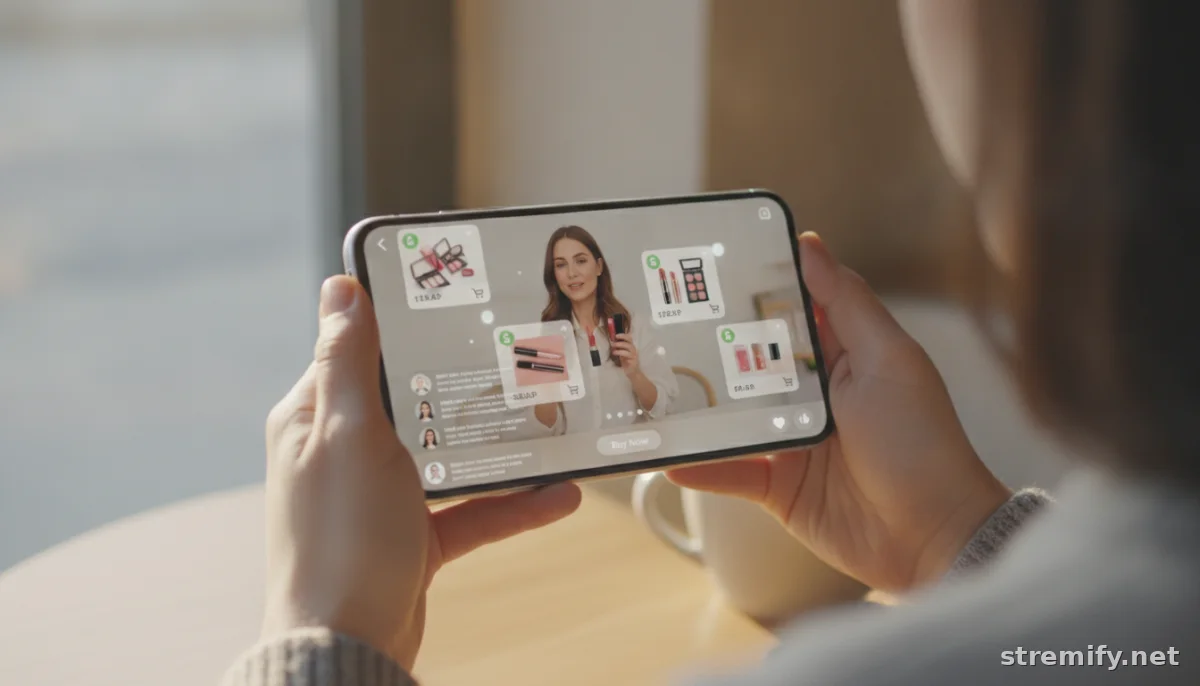
Here’s where it gets interesting for live selling creators. When a platform erases seller fees for your own referrals, you keep more margin on every sale to your existing fans. For microbrands and creators who’ve spent years growing a customer list, this means your hard-won audience finally pays off, without a platform cut eating into profits.
Predictable shipping is just as important. Unstable rates can turn an interested buyer into an abandoned cart. With live shopping, the pace is rapid and impulsive, so anything that slows the process (unexpected fees, confusing rates, friction at checkout) cuts conversion. Palmstreet’s policy here matches what we’ve learned at Stremify: the less mental math for viewers, the higher the order rate.
Cross-border live shopping’s growth also matters. Selling to U.S. audiences from abroad used to be a slow, complex process; now, platforms like Palmstreet (and Stremify, which lets sellers broadcast to TikTok, YouTube, Facebook, and more at once) are making this simple. We’ve found campaigns that stream simultaneously to multiple social channels consistently reach new buyer segments, and the interactive features (think live quizzes or comment-to-buy checkout) do much of the heavy lifting on engagement.
| Platform | Selling Fees | Shipping Pricing | Cross-Platform Streaming |
|---|---|---|---|
| Palmstreet | No fees for seller-referred buyers | Flat rate, steady | No |
| Stremify | Credit-based (pay-as-you-go) | Merchant chooses | Yes (TikTok, Instagram, YouTube, etc.) |
| Whatnot | Standard commission | Recently changed | No |
Outlook: Live Shopping Isn’t Slowing Down
Live shopping is now mainstream, especially as platforms compete to lower barriers for sellers and buyers alike. With more creators and brands hosting shoppable streams, expect further changes in fees, fulfillment, and cross-border selling. The platforms that keep seller costs low, shipping transparent, and let you control your relationship with customers will win.
If you’re looking to run your own live shopping campaigns, from product import to multichannel streaming, consider testing solutions like Stremify that give you full flexibility, zero hardware requirements, and interactive buying experiences out of the box.
Frequently asked questions
What is live shopping?
Live shopping is a type of e-commerce where products are sold directly to viewers through interactive live video streams. Shoppers can ask questions, see demonstrations, and buy products in real time.
How does live shopping work for sellers?
Sellers host live video streams, often on platforms like Stremify or Palmstreet. Viewers join, interact in real time, and can purchase products instantly, sometimes just by commenting or tapping a button.
Is live shopping popular in the U.S.?
Yes, live shopping has grown rapidly in the U.S., with sales projected to reach $68 billion and millions of Americans having already bought products via live shopping streams.
What platforms support live shopping?
Popular live shopping platforms include Stremify, Palmstreet, and Whatnot. Some allow you to broadcast on multiple channels like Instagram, TikTok, and YouTube at the same time.
What are the advantages of live shopping for brands?
Live shopping increases engagement, allows for real-time interaction, and can boost conversion rates. It also lets brands build a direct relationship with their customers and stand out from standard e-commerce.