Multi-Brand Live Shopping Strategies: How to Run Cohesive, High-Converting Streams
Managing multiple brands in live shopping? Learn proven strategies for cohesion, strong engagement, and sales, plus practical tech tips for agencies and e-commerce pros.
Ever tried keeping three brands happy in one live shopping event? It’s a juggling act. Each brand wants its own spotlight, but viewers still expect a seamless, entertaining show. If you’re an agency or a merchant running multi-brand live commerce, you know the stakes: one shaky stream and you risk losing trust, or worse, sales, from every client at once.
Why Multi-Brand Live Shopping Needs Its Own Playbook
Live shopping events drive up average order value by as much as 15 percent, especially when you cross-sell related products on the fly.1 But what works for a single-brand stream doesn’t always translate when you have a lineup of competing priorities, voices, and creative assets. Cohesion, engagement, and conversion all require tight coordination.
Keep Brand Consistency Front and Center
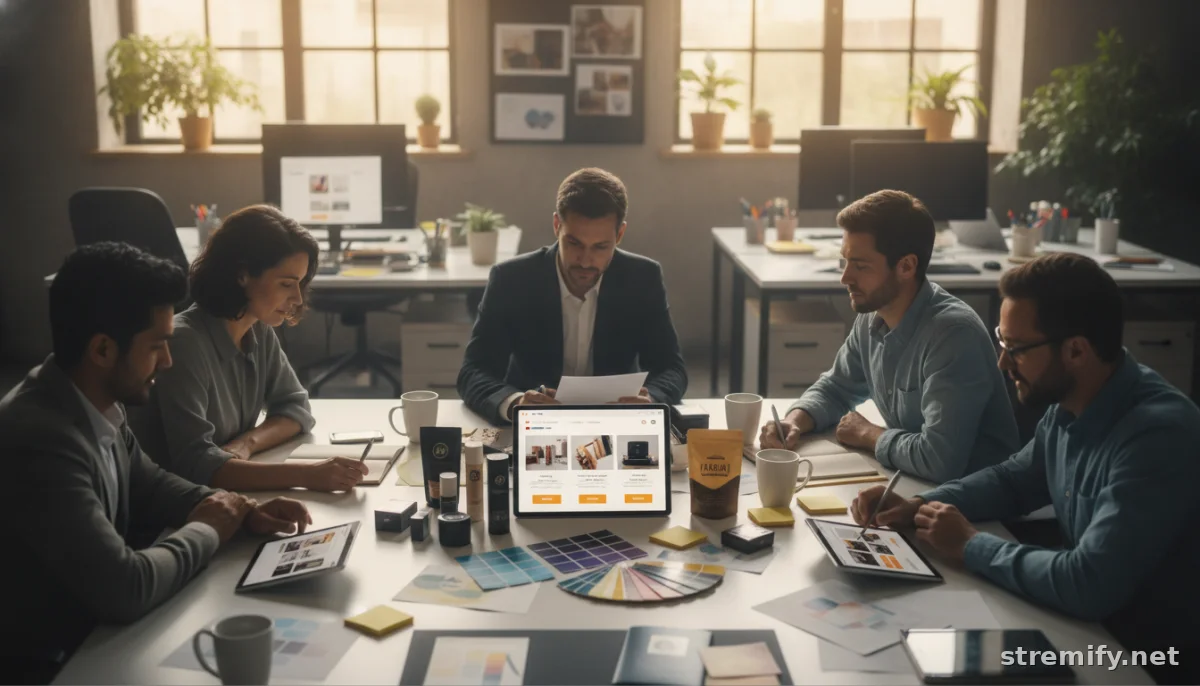
Let’s start with the basics. Consistent branding isn’t just nice to have, it’s the backbone of credibility. That means every logo, color, and font must align with each brand’s guidelines, even when you’re juggling three or more labels in a single stream.2 Create a centralized folder with approved assets for every brand, so designers and hosts can’t go rogue. A quick cheat: assemble on-brand overlays, intros, and lower-thirds ahead of time. This way, the stream never looks like a patchwork of mismatched ads.
Multi-Channel Broadcasting: Don’t Pick Sides
Today’s best live shopping strategies don’t make you choose between platforms. Instead, stream everywhere your brands’ audiences already watch, YouTube, Facebook, TikTok, Instagram, even Twitch. The strongest multi-brand strategies use a white-label platform to anchor the core experience on your own site, then simulcast to social platforms to maximize reach.3 This approach lets you collect customer data, keep control over branding, and still tap into massive social audiences.
Platforms like Stremify let you import product catalogs from Shopify, WooCommerce, or any online store, then broadcast one live show across all major networks at once. That’s a lifesaver when each brand wants maximum exposure without compromise.
Segment Your Show, But Connect the Dots
Don’t just run three back-to-back product demos and call it a day. Instead, structure your event with clear segments, one for each brand, but weave them together with a shared theme, rotating hosts, or interactive elements that keep the energy up. Gamification works wonders here: inject live quizzes, polls, and limited-time bundles that blend products from different brands into one irresistible offer.
Boost Engagement with Comment-to-Buy and Real-Time Offers
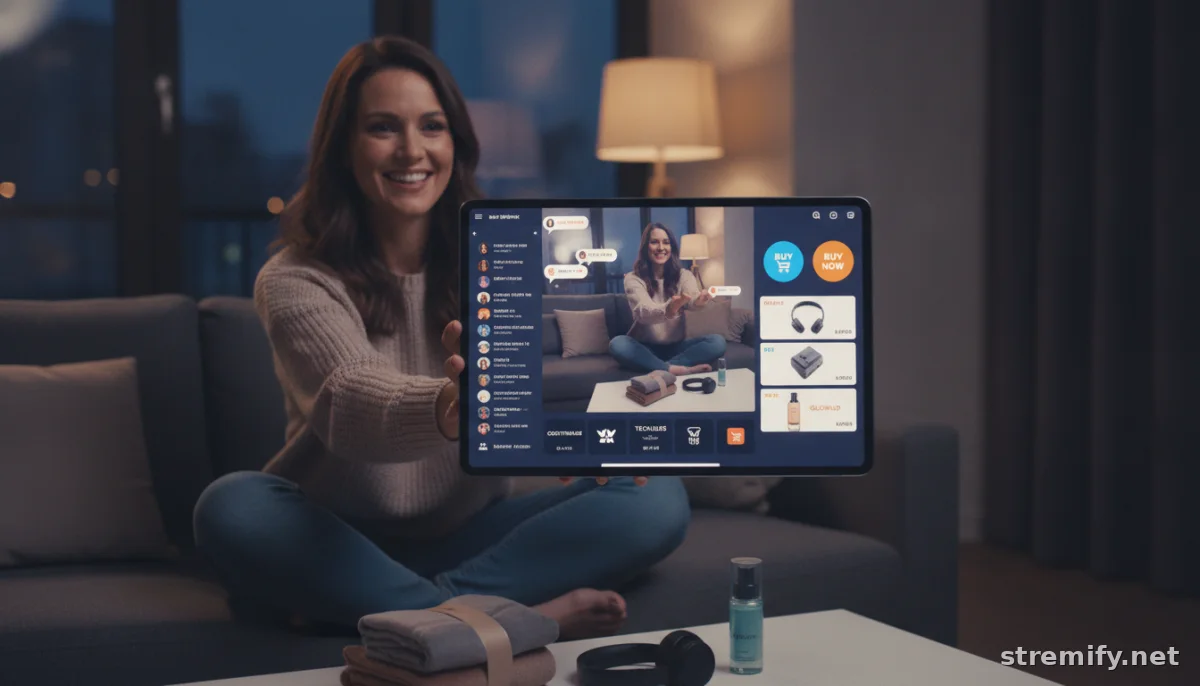
When viewers can buy just by commenting, you cut friction, and lift conversion rates. Give each brand its own hashtag or keyword for quick orders. Stremify’s comment-to-buy feature keeps everyone in the stream, instead of sending them off to separate checkout flows.
Live shopping also gives you the chance to upsell. Hosts can react to the chat, bundle products across brands, or surprise viewers with exclusive codes. "Buy Now, Pay Later" options often increase order values by up to 30 percent.
Promotion: One Event, Many Funnels
Promotion is where multi-channel thinking really pays off. You need each brand to activate its own audience, but the event as a whole should feel unified. Coordinate posts, stories, and email invites across all participating brands’ social accounts, use a shared hashtag and event graphics, but tailor messaging to each brand’s voice and audience.
Table: Multi-Brand Live Shopping Platform Comparison
| Platform | Multi-Brand Support | Simulcasting | Pricing | Key Engagement Features |
|---|---|---|---|---|
| Stremify | Yes (centralized product feed, brand overlays) | Yes (TikTok, Instagram, Facebook, YouTube, Twitch) | Credit-based (pay-as-you-go) | Comment-to-buy, live quizzes, real-time order tracking |
| Terrific | Yes (Multi Stream feature) | Yes (White-label + social) | Subscription model | Multi-channel analytics, custom branding |
| Firework | Partial (focus on single-brand) | Yes (social), no full site takeover | Enterprise contracts | Shoppable video widgets |
Practical Tips from the Trenches
- Set up a shared run-of-show doc that every brand signs off on. Surprises are great for viewers, not for clients.
- Centralize giveaways and engagement mechanics (like live polls) so all brands benefit, but rotate spotlight moments.
- After the show, repurpose highlights into branded content for each label’s social channels and email. Don’t let that content go to waste.
- Check analytics for both the main event and each platform’s stream, different brands may see different engagement spikes. Adjust next time.
How We’ve Seen This Work
In our experience at Stremify, we’ve seen agencies run multi-brand campaigns where one host rotates between brands, using comment-based ordering to keep checkout simple for every viewer, no matter which brand they came for. Teams prep interactive quizzes that let one brand give away a prize, while another drops a flash offer minutes later. The result: everyone feels included, engagement rates stay high, and no single brand overshadows the rest.
Final Thoughts: Win Together, Or Not at All
Multi-brand live shopping isn’t just about logistics. It’s about trust, between you and the brands, and between the brands and the audience. When you nail the details, the payoff is big: more engaged viewers, higher average order values, and brands who want to work with you again and again.
Ready to make your next multi-brand live shopping campaign actually fun and profitable? Check out what Stremify can do for your team.
Frequently asked questions
What are the main challenges in multi-brand live shopping strategies?
Juggling different brand guidelines, balancing airtime, and ensuring a cohesive viewer experience are major challenges. Each brand needs visibility and engagement without the event feeling fragmented or confusing for the audience.
How do you keep multiple brands' messaging consistent in one live event?
Centralize branding assets like logos and color palettes in advance. Use pre-approved overlays and templates. Assign a point person to oversee the visual and messaging consistency throughout the broadcast.
What tech features help with multi-brand live shopping?
Simulcasting, comment-to-buy, and live quizzes help streamline multi-brand events. A platform like Stremify lets you feature several brands, import their catalogs, and run interactive campaigns across all major social channels.
How should agencies promote multi-brand live shopping events?
Coordinate with each brand's marketing team to share a unified hashtag, graphics, and event details. Schedule posts on all brands' social channels while tailoring messaging to each brand's unique audience.
Does live shopping actually boost average order values?
Yes, live shopping events typically increase average order values by 12 to 15 percent, especially when upselling and cross-selling are part of the show.