Multi-Language Live Commerce Strategies: From Localization to Global Sales
Multi-language live commerce strategies help merchants scale globally. Learn proven localization tactics, streaming tips, and must-have translation tools for successful international sales.
Shoppers are twice as likely to buy when they can engage in their own language, yet most live shopping streams still default to English. Want to reach, convert, and retain a truly global audience? Multi-language live commerce strategies are how you get there, and how you keep local competitors from eating your lunch.
Why Multi-Language Live Commerce Matters
The global live commerce industry is projected to hit $1.1 trillion by 2026, fueled by consumer demand for entertainment-driven, real-time shopping experiences across borders.1 But to capture international sales, you need more than a clever pitch or a viral influencer, you need buyers to trust you and understand exactly what they're buying. That means showing up in their language, on their channels, and with seamless purchase flows.
Providing content and interaction in a shopper's native language isn't just good manners; it's proven to lift comfort, trust, and conversion rates. Cross-border commerce can generate up to 200% more revenue than domestic-only sales, and brands who localize gain a bigger slice of that pie.
Building Blocks: Platforms, Plugins, and Streaming Tech
Before you localize your copy, check if your live commerce platform supports multi-language streams. Top e-commerce platforms (like Shopify, BigCommerce, WooCommerce, Adobe Commerce, and Shopware) now include language-switching storefronts or API hooks for translation apps.2 For live streaming, the challenge is trickier: your tech stack must sync real-time product data, user comments, and checkout flows in multiple languages, not just overlay subtitles.
Solutions like Stremify (Stremify) let sellers broadcast one campaign to multiple major channels, Instagram, TikTok, Facebook, YouTube, Twitch, while pulling products straight from your store and handling orders without ever leaving the stream. From our experience, engaging viewers with native-language quizzes and offering comment-to-buy ordering (even in complex scripts) can raise engagement by double digits, especially in markets where English isn't the first or second language.
Table: Live Commerce Platform Multilingual Capabilities
| Platform | Multi-Language Streaming | Storefront Translation | Pricing Model |
|---|---|---|---|
| Stremify | Yes (broadcast to all major social apps) | Imports from any store (language-agnostic) | Credit-based (pay-as-you-go) |
| Shopify | Via third-party apps | Native and app-based translation | Subscription |
| BigCommerce | Via plugins and API | Multi-Storefront, third-party apps | Subscription |
| WooCommerce | Via plugins | Translation plugins | Self-hosted |
Human vs. Machine: Translation Tactics That Drive Sales
Machine translation has come a long way. Real-time AI can now translate speech, product descriptions, and viewer comments during a live stream. It’s tempting to rely on tools like Google Translate or AI-powered platforms, especially for fast-growing catalogs. But accuracy and nuance matter, a mistranslated promo code or ingredient can tank trust, or worse, lead to regulatory headaches.
The best results combine automation for scale with human oversight for polish. Use AI for the first draft of your streaming script, product cards, and chat replies, then have a local team (or native-speaking freelancer) review the copy before you go live.
For platforms that allow it, offer a language selector and make sure automated translations can be overridden for critical sales content. Solutions like Weglot, ConveyThis, or Localize integrate with most e-commerce stores and overlay translated content in real time.
Multilingual Streaming in Action: Practical Tips
- Schedule region-specific streams at local peak hours. Don’t expect French buyers to tune in at midnight local time.
- Brief your hosts to use language-appropriate calls to action, value cues, and even humor, emotional appeal drives conversions.
- If possible, co-host with a native speaker, or run parallel streams for top markets. For single hosts, scripted segments can help keep translations tight.
- In our Stremify campaigns, adding live quizzes in the streamer’s local language boosted watch time and repeat attendance. Localization isn't just about translation, it's about speaking the culture.
- Monitor chat in all active languages. Recruit moderators or use auto-moderation tools with language detection so nobody gets ignored, or worse, offended by a missed comment.
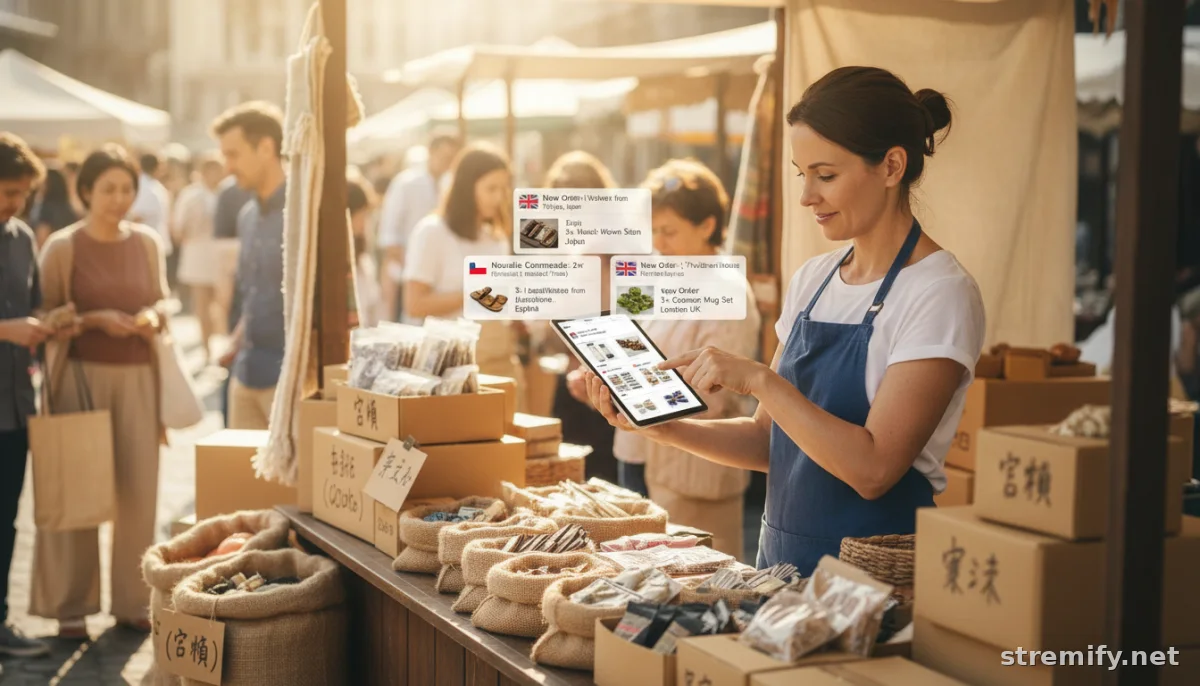
Beyond Words: Localizing Checkout, Support, and Compliance
Language isn't the only barrier. Local payment methods, currency display, legal disclaimers, and support messaging all need localization. Your checkout should display prices in a familiar format and offer regionally trusted payment options. For support, offer chatbots or live agents who speak the customer's language, even if it means outsourcing to a specialized vendor.
Legal compliance can trip up global brands. Some countries require specific product disclosures or refund policies in the local language. Missing these details can mean lost sales or legal trouble.
Data, Analytics, and Optimizing for Each Market
Don't just translate and hope for the best. Track engagement metrics by language and region: viewer watch time, product clicks, chat sentiment, and conversion rates. Platforms like Stremify can show which streams or quizzes resonate by locale. Treat each market as unique, a winning strategy in Germany might flop in Brazil or Japan.
Repurpose your best multilingual live streams as region-specific video libraries, and use feedback loops from shoppers to refine copy, product selection, and even host scripts.
Getting Started: Scaling Up Without Overwhelm
Start with your top 1 to 2 international markets, not every possible language. Pick a live commerce platform that supports multilingual streams and catalog imports. Use AI for first-draft translations, but always review key sales content with a native speaker. Schedule streams at local times, localize checkout, and track results closely. You’ll quickly see which markets are hungry for more, and where you need to adapt.
Curious how global sellers run high-converting, multi-language live campaigns without a translation team or expensive studio setup? Try Stremify today and see how browser-based live shopping can take your brand international, no hardware, no monthly subscription, just results.
Frequently asked questions
What are the key benefits of multi-language live commerce strategies?
Multi-language live commerce strategies increase conversion rates, customer trust, and brand reach by allowing shoppers to interact in their native language, leading to higher international sales.
How do I set up a multi-language live shopping stream?
Choose a live commerce platform that supports multilingual broadcasting, import your product catalog in multiple languages, and either use native-speaking hosts or real-time translation tools for the stream.
What translation tools work best for live commerce?
Options like Weglot, ConveyThis, and Localize can translate store content and product data. For live streams, combine AI-driven real-time translation with human review to ensure quality and accuracy.
What challenges come with multi-language live commerce?
Common hurdles include managing accurate real-time translation, local payment methods, region-specific compliance, and ensuring multilingual chat moderation for customer support.
How many languages should I start with for live commerce?
Start with 1 to 2 key markets based on your current international traffic. Focus on high-potential languages and expand as you gain more multilingual experience and data.