7 Best Practices to Sell Vintage Items Online Live (and Actually Make Sales)
Vintage items move faster when you sell live. Try these 7 expert tactics: build urgency, showcase details, use real-time interaction, tell your items’ stories, and maximize cross-platform reach.
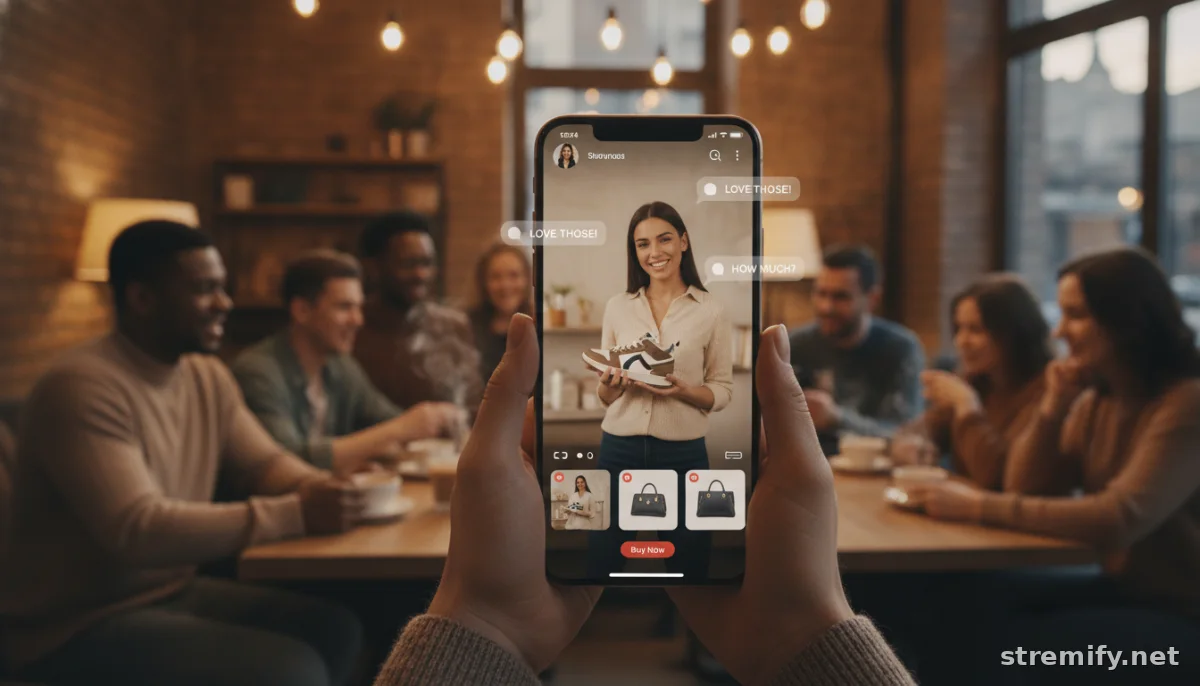
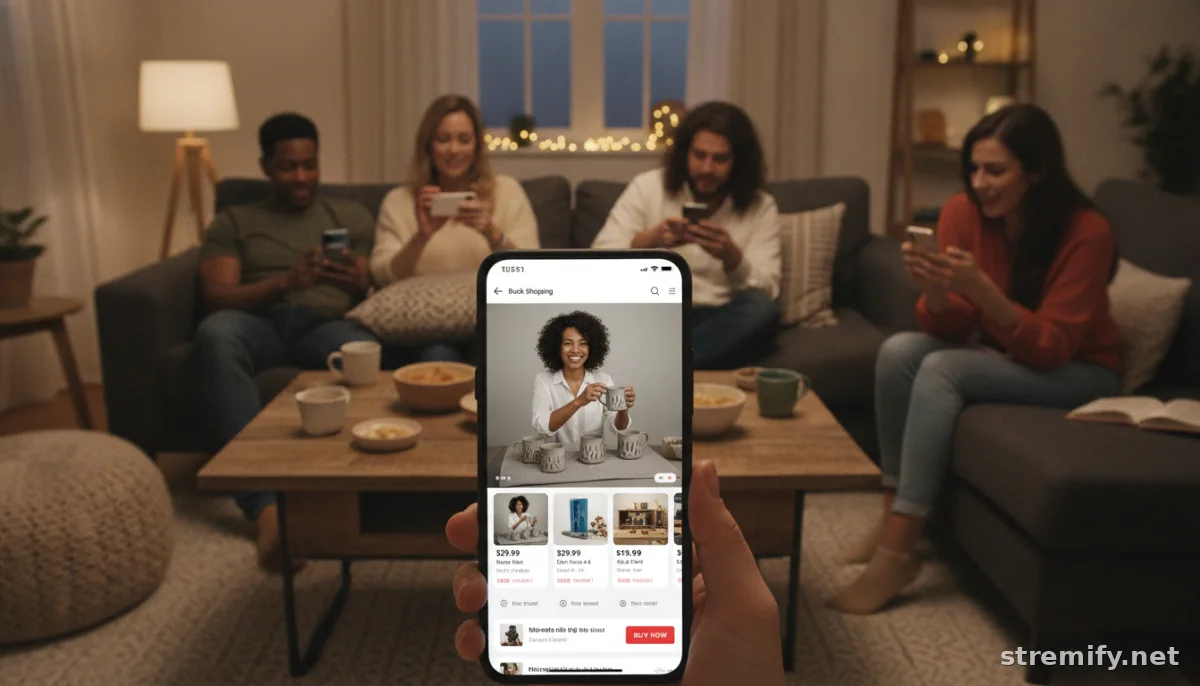
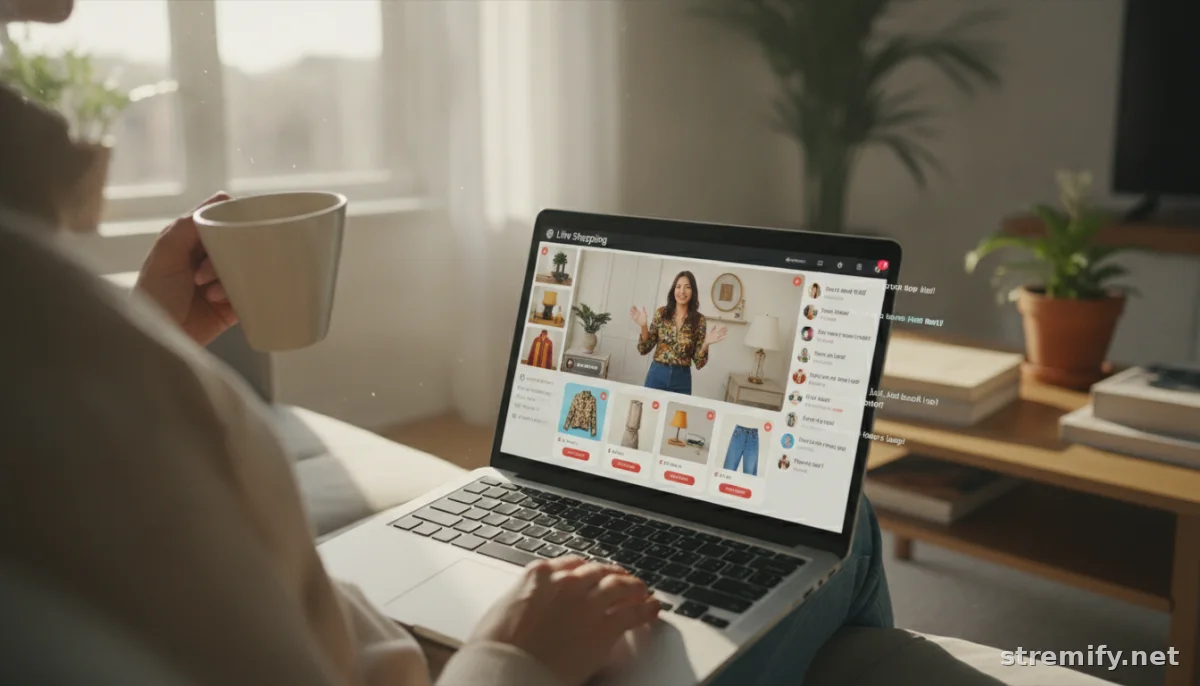
Ready to quit watching your vintage gems gather digital dust? Static listings can leave your pieces unseen for weeks, but live video is flipping the script for vintage sellers who want to actually move inventory. Vintage creators are now using livestreaming, on platforms like Stremify, Whatnot, and TikTok, to sell vintage items online live, creating urgency, excitement, and real-time buyer engagement. Here’s what top sellers do differently.
1. Showcase Condition and Details Up Close
Vintage and secondhand items live or die by their condition. In a livestream, you can hold a 1980s band tee right up to the camera to highlight its perfect softness, or spin a mid-century chair to spotlight every detail, and every flaw. Shoppers want to see any scuffs, patina, or designer marks in real time. This isn’t just about transparency, it’s about trust and faster checkout. eBay’s fashion lead says live shopping is uniquely effective for vintage, because you can literally demonstrate materials and answer “Is the zipper original?” on the spot.1
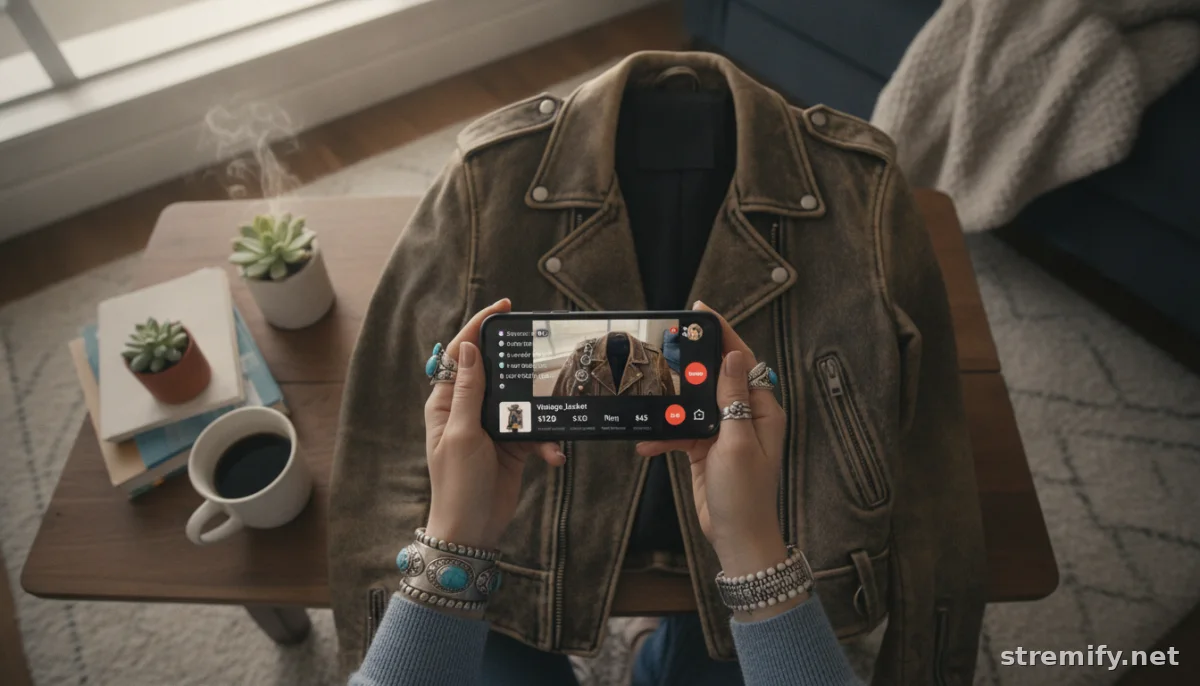
A good live session feels like holding a piece at a flea market, minus the cold hands. Use good lighting, honest camera angles, and call out any quirks. Buyers who see the real article, and get their questions answered, are far less likely to back out later.
2. Build Urgency With Auctions and Real-Time Bids
Traditional listings can have you waiting weeks for the right buyer. Live auctions, on the other hand, create instant demand. On apps like Whatnot, sellers host timed auctions for everything from Y2K handbags to rare vinyl, and the energy is contagious. When several buyers want the same 90s windbreaker, prices jump and items move fast. Even if you prefer fixed prices, setting time limits or offering “live only” deals gives buyers a reason to act now, FOMO sells.
3. Tell the Story Behind Every Piece
Every vintage item has a history, and the story can be as valuable as the piece itself. Use your live video to share how you sourced a 50s cocktail set, or what makes that patchwork quilt unique. Some sellers even invite past owners or experts to join their stream for a quick Q&A.
This isn’t just storytelling for its own sake. Shoppers who connect emotionally spend more, and are more likely to become repeat buyers. We’ve seen on Stremify that campaigns with live storytelling and behind-the-scenes banter see higher engagement and longer watch times (and yes, more sales).
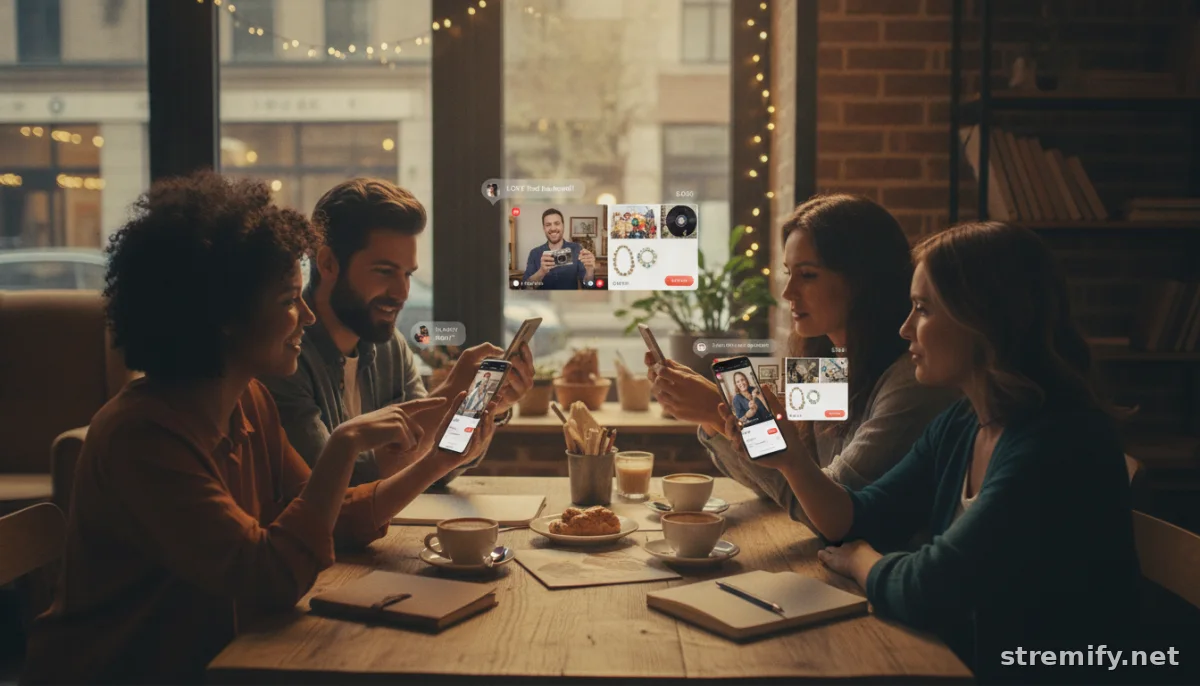
4. Make It Interactive: Live Quizzes, Polls, and Comment-to-Buy
Don’t just talk at your audience. Use live quizzes (“Guess the year this jacket was made, winner gets 10% off!”), polls about what to show next, or enable comment-to-buy ordering right in the chat. Stremify lets shoppers buy by dropping a keyword in the comments, so no one ever has to leave the stream to check out.
This keeps viewers glued to the screen and turns passive watchers into active customers. Vintage sellers on platforms like District and Stremify are finding that interactive features drive more impulse buys and bigger baskets.
5. Reach Buyers Everywhere, Stream to All Your Channels
Your diehard 80s fans might hang out on Instagram, while your home decor buyers are lurking on Facebook or YouTube. The smartest sellers stream their live sales to multiple channels at once. With a platform like Stremify, you can broadcast a single sale to YouTube, TikTok, Instagram, Facebook, and Twitch simultaneously. No need to juggle apps or lose out on viewers who prefer one platform over another.
Cross-platform streaming means more eyeballs, more questions, and more chances to connect with buyers who actually want your pieces. It’s efficient, and you only have to prep your inventory once.
6. Prep Inventory Like a Pro, But Stay Flexible
Before you go live, set aside the pieces you’ll feature and prep quick notes on each: measurements, fabric, flaws, and price. Have them within arm’s reach so you’re not scrambling (or stalling) mid-show. But don’t script every second, let your viewers vote on which shelf to hit next, or toss out a “should I demo this vintage mixer?” in the middle of your stream.
The best live sellers balance preparation with spontaneity. Planning key details boosts your confidence and professionalism, but adapting to on-the-fly audience requests keeps the vibe authentic.
7. Promote Your Sale and Build Regulars
A secret ingredient: hype matters. Preview your next sale on Instagram Stories, send reminders to your email list, and tease standout pieces to spark curiosity. Top sellers like Costura on Whatnot build anticipation by letting fans know what’s coming up, sometimes even previewing rare finds days in advance.
Regular shows help you build loyal followers who tune in like clockwork. Stick to a schedule if you can, even if it’s just two or three live sales a month. Over time, buyers start showing up for you, not just what’s on the rack.
Ready to try it? Build out your branded live shop on Stremify and see how much faster vintage can move when you sell vintage items online live, no studio, no monthly subscription, just real engagement.
Frequently asked questions
What is the best way to sell vintage items online live?
The most effective way is to use a dedicated live shopping platform like Stremify, where you can show item details in real time, answer questions, and let buyers purchase through the video itself. Cross-posting to social channels increases reach.
How do I make my vintage live sales interactive?
Add live polls, quizzes, and let viewers vote on which items you show next. Features like comment-to-buy and live Q&A keep your audience engaged and turn viewers into buyers.
What platforms support live selling for vintage items?
Top platforms include Stremify, Whatnot, District, and TikTok Shop. All let you stream live sales and reach buyers who prefer video shopping. Choose one that fits your product category and audience best.
How can I prepare inventory for a vintage live sale?
Organize items in advance, make quick notes about each piece’s story and price, and keep everything within arm’s reach. Stay ready to adapt based on audience requests mid-stream.
Do I need professional video gear to sell vintage items live?
No, you can go live directly from your browser or phone. Good daylight and honest camera angles are more important than studio equipment, authenticity sells in live video.