Data Privacy Tips for Ecommerce Live Streams: Keep Your Store Compliant and Customer Trust High (2026)
Worried about GDPR during live shopping? These expert data privacy tips for ecommerce live streams will help you avoid fines, gain customer trust, and keep your brand compliant, without sabotaging conversion rates.
Fines for data privacy violations continue to reach billions globally each year, and small ecommerce brands remain at risk. The average cost of a privacy incident is significant, often reaching six figures. If you're running live shopping streams in 2026, regulations like GDPR and CCPA are not just paperwork—they are critical for sales, legal safety, and customer trust.
Here are practical data privacy tips for ecommerce live streams so you can stream confidently and stay compliant in 2026.
Understand the Data You Collect During Live Streams
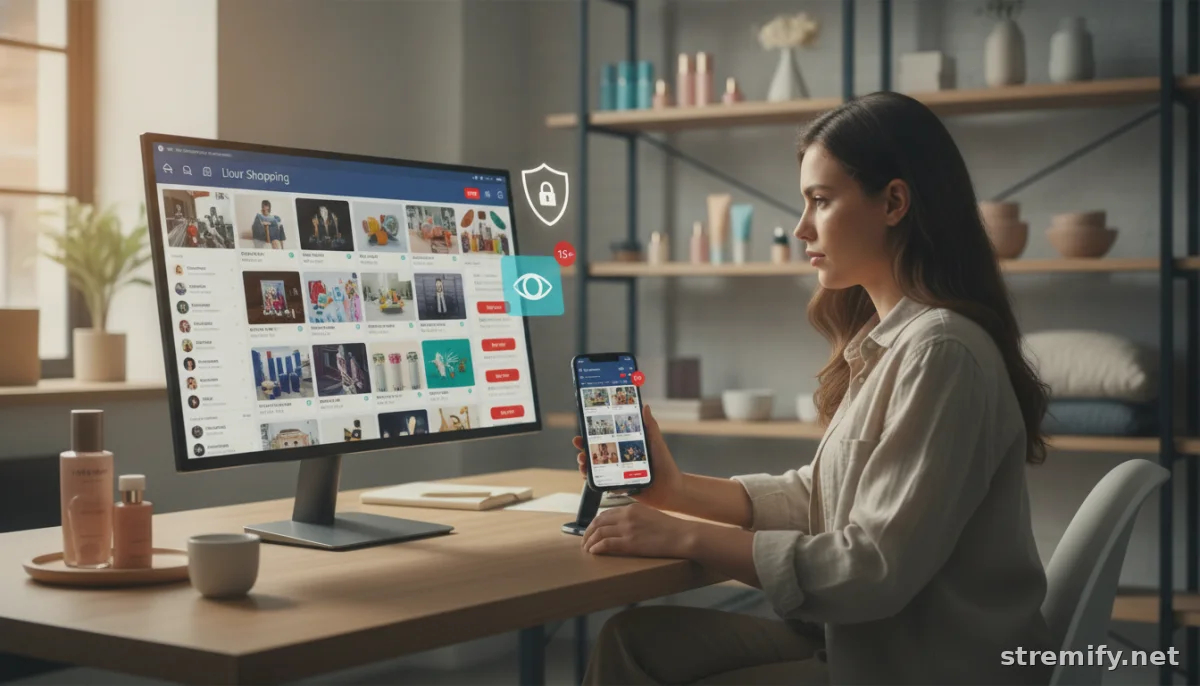
Live shopping is interactive by design. Every time a viewer comments, makes a purchase, or enters a live quiz, they're sharing data. What counts as 'personal data'? Names, emails, phone numbers, social handles, delivery details—anything that identifies a person. Even IP addresses or device IDs are covered by GDPR and most updated privacy laws.
If you think "We're just streaming, not storing credit card numbers," think again. The average ecommerce site still sets dozens of cookies before a user gives consent. Combine that with live chat logs, comment-to-buy tools, and quiz apps, and you may be handling a large amount of personal data.
Tip: Map Your Data Flows
- List every touchpoint where data enters your ecosystem: live chat, order forms, payment gateways, quiz widgets, sign-up overlays.
- Track which third parties receive data, including payment processors, analytics tools, social platforms, and your ecommerce backend.
Transparency Wins: Consent, Notices, and Customer Control
Most internet users care about how their data is collected, and many have changed purchase decisions based on privacy practices.1 Hiding your privacy policy in the footer is no longer enough for shoppers or regulators.
Make your privacy notices clear and visible during streams. Explain what data you'll collect, how you'll use it, and how people can get their data deleted or corrected. Use straightforward language. If your stream is embedded on TikTok or YouTube, link to your privacy policy in the stream description or a pinned comment.
Tip: Get Explicit Consent, Don't Rely on Implied
- Use pop-ups, overlays, or chat prompts to get clear consent before collecting any data outside what's strictly required for the shopping flow.
- Offer a cookie consent banner that requires opt-in before tracking begins.
- Provide a simple way to withdraw consent or update preferences, especially for recurring campaigns or post-live marketing.
Data Minimization: Only Collect What You Need
GDPR and similar laws require you to collect only the data necessary for a specific purpose. If you're running a live giveaway, don't collect phone numbers or birthdays unless you have a clear, legal reason. Over-collection increases compliance risks.
For live quizzes or polls, anonymize responses where possible, or store results without tying them to personal identities unless needed for order fulfillment.
Tip: Implement Privacy by Design
- Choose live shopping tools that let you control what data is collected.
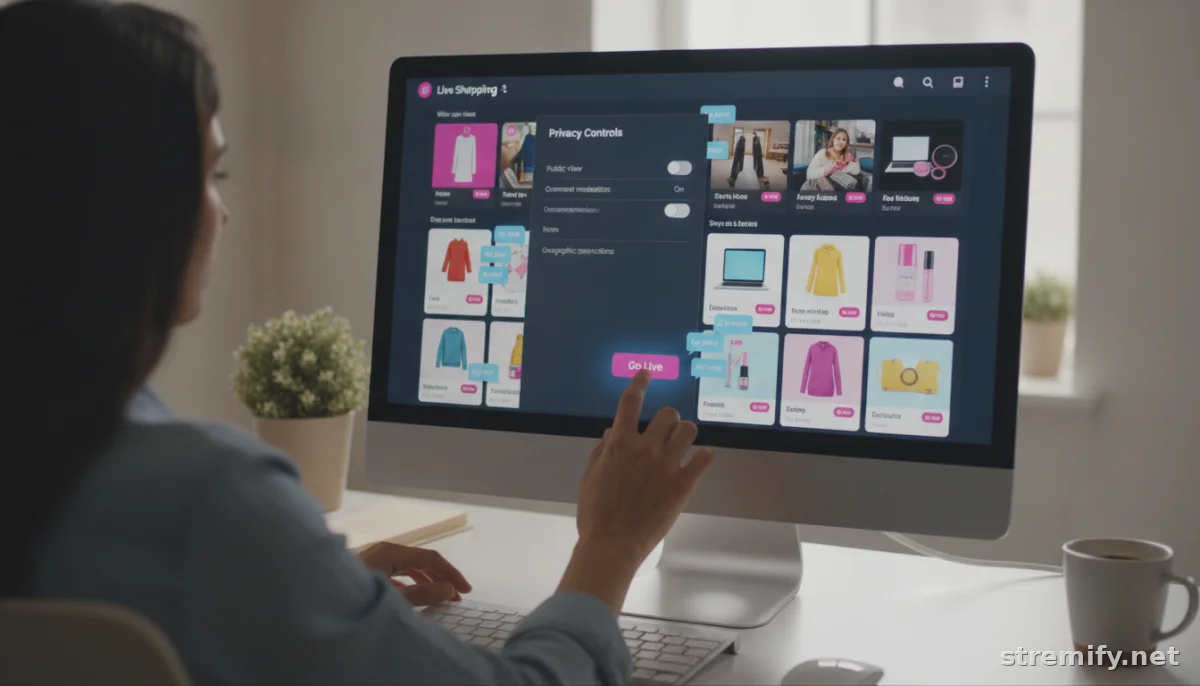
- Work with platforms (like Stremify) that build data privacy controls into their features, so you collect only what's essential for conversion and compliance.
Secure Your Payment and Order Flows
Never store payment info on your live streaming platform or your own servers. Use trusted, PCI-DSS-compliant payment gateways that handle transaction data off-platform. This reduces your exposure and shifts much of the compliance responsibility to the payment provider.
Customer data should always be encrypted in transit (using HTTPS) and, in your ecommerce backend, at rest. Any third-party integrations (such as quiz apps or social login tools) must be vetted for their own compliance and security standards.
Tip: Regular Privacy Audits
- Audit your entire live shopping workflow at least quarterly. Watch for data leaks, accidental over-collection, or third-party apps you no longer use but that still have data access.
- Prepare a plan to report data breaches within 72 hours. This is mandatory under GDPR and a best practice everywhere.
Communicate Your Privacy Practices, Don't Hide Them
Stores that clearly communicate privacy practices often see a lift in conversion rates. Shoppers trust brands that are transparent about data use, especially on interactive formats like live streams, where sharing details can feel risky.
Display a privacy summary slide before your live starts, and mention that viewers can find your full privacy policy via a pinned comment or overlay. Include a brief rundown of their rights: access, correction, deletion, and how to exercise them.
| Best Practice | Risk If Ignored | Practical Solution |
|---|---|---|
| Map all data collection flows | Unknown compliance gaps | Use flowcharts, update quarterly |
| Get explicit consent | Legal liability, loss of trust | On-screen pop-ups or chat prompts |
| Data minimization | Over-collection fines | Collect only what's needed |
| Use vetted third parties | Third-party data leaks | Annual vendor review |
| Transparent privacy notices | Drop in conversions | Pinned links, clear language |
Choosing the Right Live Shopping Platform
Not all live commerce platforms are created equal. Prioritize platforms with built-in GDPR tools, customizable consent banners, and secure integrations. For example, Stremify lets you stream to TikTok, Instagram, Facebook, YouTube, and Twitch with real-time comment-to-buy ordering and interactive quizzes, while giving you control over what data is collected and how it is shared. Stremify uses a credit-based, pay-as-you-go pricing model, so you purchase credits in advance and only pay for the minutes you stream. Packages start at 50 credits for €15, with larger bundles available for higher-volume needs.
Always read your platform’s privacy policy, understand where your customer data is stored, who has access, and what happens if you want to delete it.
Key Takeaway: Privacy Drives Sales, Not Just Compliance
Data privacy tips for ecommerce live streams in 2026 are about more than checking boxes. When you make privacy a priority, you not only avoid fines but also increase conversions and keep shoppers coming back. Respect customer data, be transparent, and choose tools that make compliance seamless. The result: stronger trust, higher sales, and fewer surprises.
Want more practical advice or a privacy-focused live shopping platform? Try Stremify on your next campaign and see how easy compliant streaming can be.
Frequently asked questions
What personal data is collected during ecommerce live streams?
Personal data in ecommerce live streams includes names, email addresses, phone numbers, delivery details, and social handles. Even IP addresses, device IDs, and chat interactions can be classified as personal data under regulations like GDPR.
How can merchants get consent during live shopping streams?
Merchants should use visible pop-ups, overlays, or chat prompts to get explicit consent before collecting personal data during a live stream. Consent banners should be interactive and allow users to set preferences or withdraw consent at any time.
What are the risks of ignoring data privacy in live commerce?
Ignoring data privacy exposes merchants to legal penalties, loss of customer trust, and potential data breaches. Fines for privacy violations can be substantial, and customers are increasingly likely to avoid brands with opaque privacy practices.
Do live streams on social platforms like YouTube or TikTok need privacy controls?
Yes, live streams on platforms like YouTube or TikTok still require privacy controls. Merchants should provide upfront privacy notices, ask for consent before collecting extra data, and link their privacy policy in the stream description or comments.
How often should merchants audit their live stream data privacy practices?
Merchants should audit their live stream data privacy practices at least once per quarter. Regular reviews help identify compliance gaps, address outdated integrations, and ensure all data collection aligns with current privacy laws and best practices.