TikTok vs YouTube Live Shopping: Which Platform Wins for Merchants in 2026?
Choosing between TikTok and YouTube for live shopping isn’t simple. Here’s how their audience, features, and merchant tools really stack up in 2026.
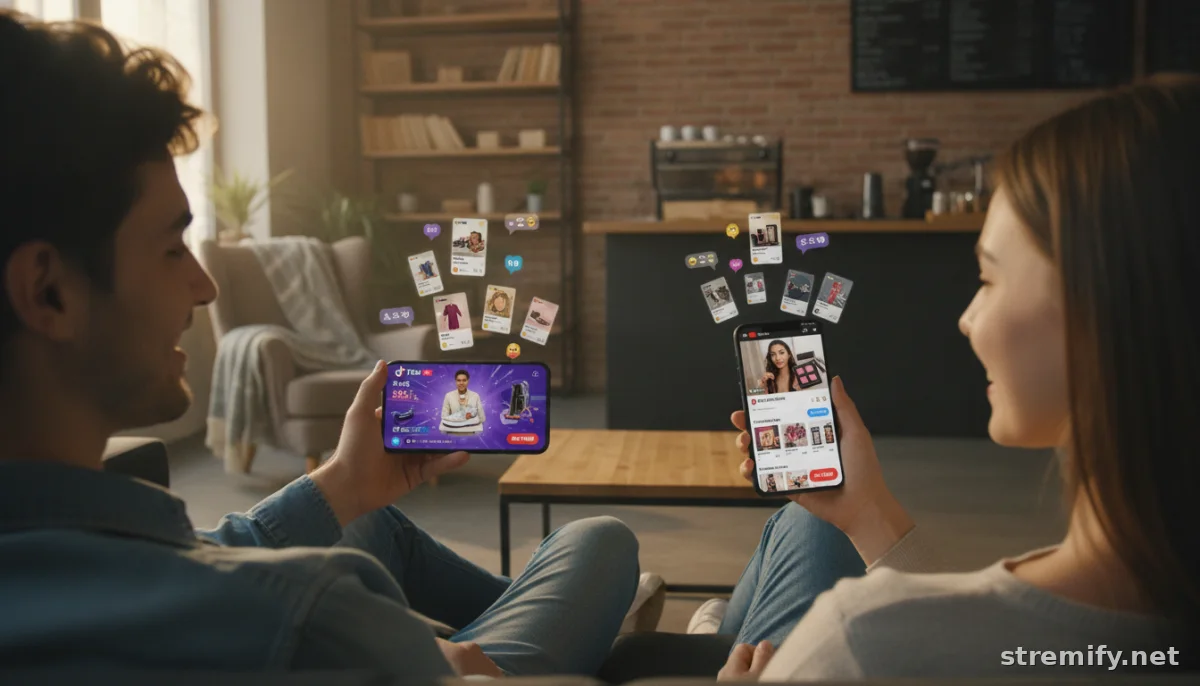
Choosing between TikTok and YouTube for live shopping means weighing more than follower counts or viral reach. Merchants and creators want to know: where will viewers actually buy, what tools give you control, and which audience is likely to stick around?
Let’s break down the strengths and trade-offs for TikTok and YouTube, straight from real-world data and experience. If you’re deciding where to invest your next shoppable stream, this head-to-head comparison is for you.
TikTok Live Shopping: Fast-Paced, Social, and Trend-Driven
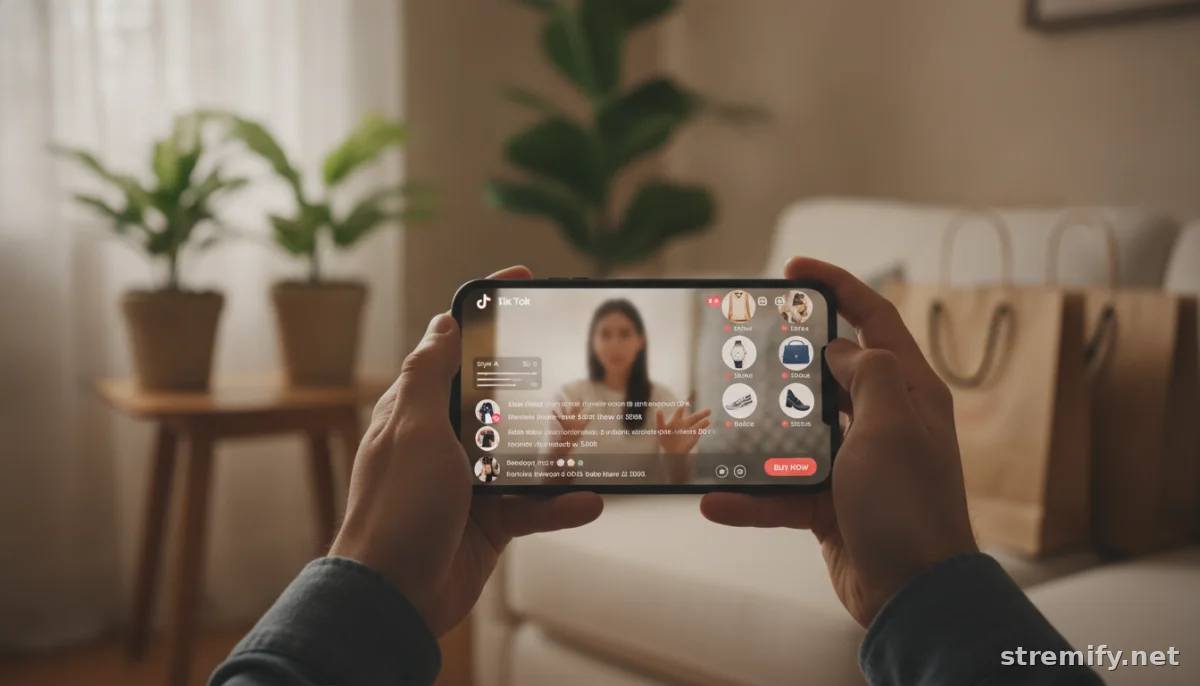
TikTok’s live shopping ecosystem runs on viral energy. With over 200 million monthly active buyers and more than 8 million hours of live shopping streamed in the US alone last year, the scale is wild.12 Streams feel spontaneous, interactive, and can go from zero to trending in minutes.
Engagement: TikTok’s edge is interactivity. Built-in polls, on-screen challenges, and a comment section that practically vibrates keep viewers glued. Conversion rates hover around 3.8% for affiliate links, and live reactions can push well-made campaigns far beyond your follower base.
Integration & Merchant Experience: Here’s where things get complicated for sellers. TikTok Shop is a closed loop: you sell, stream, and fulfill orders all inside TikTok. There’s no option to stream to your own website, no easy way to capture detailed customer data, and your stream’s replay value drops fast. Only TikTok controls the algorithm, which means today’s hit might be invisible tomorrow.
Most merchants can’t reuse TikTok content outside the platform, and data access for remarketing is limited. On the plus side, the affiliate system is huge, over 4.2 million creators promote products, fueling fast viral growth for the right pitch.
YouTube Live Shopping: Searchable, Evergreen, and Merchant-Friendly
YouTube might not match TikTok’s sheer pace, but it counters with staying power. Over 30% of logged-in viewers now watch live video, and YouTube has poured resources into making streams more shoppable and discoverable.3
Engagement: YouTube’s real strength is longevity. Streams can be tagged with product links that live on after the broadcast, merch shelves stay up under your videos, and search surface your content long after TikTok’s trends have faded. You’ll get a bigger push on educational demos and deep dives, with viewers often sticking around for more considered purchases.
Integration & Merchant Experience: YouTube lets you stream from nearly any device and integrate store feeds or affiliate products. Replay value is huge; past streams turn into evergreen content. Customer data flows more freely compared to TikTok, making retargeting and remarketing far easier. The downside: YouTube’s interface isn’t as natively tuned for impulse buys, and comment-to-buy isn’t built in.
For brands wanting control, YouTube is a more open platform. Merchants can use tools like Stremify to multi-stream to YouTube and other platforms, bringing shoppable links, live quizzes, and product highlights right into the action, no extra hardware or monthly commitment required.
Head-to-Head Comparison
| Feature | TikTok Live Shopping | YouTube Live Shopping |
|---|---|---|
| Audience Demographic | 18 to 34, trend-driven, fast-moving | 18 to 49, broad, often research-focused |
| Shopper Engagement | High (polls, challenges, viral clips) | Moderate to high (Q&A, long-form, searchable) |
| Replay/Evergreen Value | Short-lived, low replay value | Strong, searchable content stays up |
| Platform Flexibility | TikTok only, closed ecosystem | Multi-channel options, open integrations |
| Merchant Tools | Affiliate network, limited data, TikTok Shop only | Shop links, merch shelves, analytics, remarketing |
| Comment-to-Buy | No native support | Possible via third-party tools |
Verdict: Which Platform Wins for Live Shopping?
If your strategy is all about speed, going viral, and riding trends, TikTok Live Shopping is hard to beat. The platform’s built-in engagement and affiliate push can drive big wins in a short time, especially for younger brands willing to experiment.
But if you want staying power, data-driven marketing, and the option to turn a single campaign into a long-tail sales engine, YouTube is a stronger bet. Product videos on YouTube are discoverable for months (sometimes years), and the platform’s integration with ecommerce tools and analytics is far deeper.
In our experience running live shopping campaigns at Stremify, merchants who stream across both platforms, using a unified tool and giving viewers reasons to interact, see the best results. We’ve watched sellers pick up impulse sales on TikTok, then keep driving orders from YouTube replays and search discovery long after the live event is over.
If you’re looking for the flexibility to go live once and sell everywhere, platforms like Stremify can help you broadcast to TikTok, YouTube, Facebook, Instagram, and Twitch at the same time, with real-time comment-to-buy and interactive stream features. That way, you don’t have to pick a side, your audience finds you wherever they like to watch.
Ready to test both? Learn more about setting up your next campaign with Stremify.
Frequently asked questions
Which is better for live shopping, TikTok or YouTube?
TikTok is best for brands seeking fast engagement and viral sales among younger shoppers, while YouTube is better for merchants wanting evergreen content, better analytics, and more control over integrations and customer data.
Can you do live shopping on both TikTok and YouTube at the same time?
Yes, with multistreaming tools like Stremify, it’s possible to broadcast the same live shopping event to TikTok, YouTube, Facebook, Instagram, and more, maximizing reach and sales.
Do TikTok live shopping streams have replay value?
TikTok live streams tend to lose visibility quickly, and replay options are limited. YouTube, by contrast, allows live shopping streams to stay searchable and shoppable for much longer.
Does TikTok offer better conversion rates for live shopping than YouTube?
TikTok’s affiliate link conversion rate averages around 3.8%, but success depends on product fit and how well you engage the audience. YouTube may deliver steadier post-live sales from replays.
Which platform offers more data for retargeting live shopping viewers?
YouTube provides merchants with more customer data and analytics for remarketing. TikTok limits access to detailed data, so building ongoing audience relationships is harder outside its ecosystem.