Live Shopping vs Traditional Ecommerce: What Really Drives Sales in 2026?
Shopping is changing fast. Here's a sharp, side-by-side comparison of live shopping and traditional ecommerce, including features, pros, and what to expect in 2026.
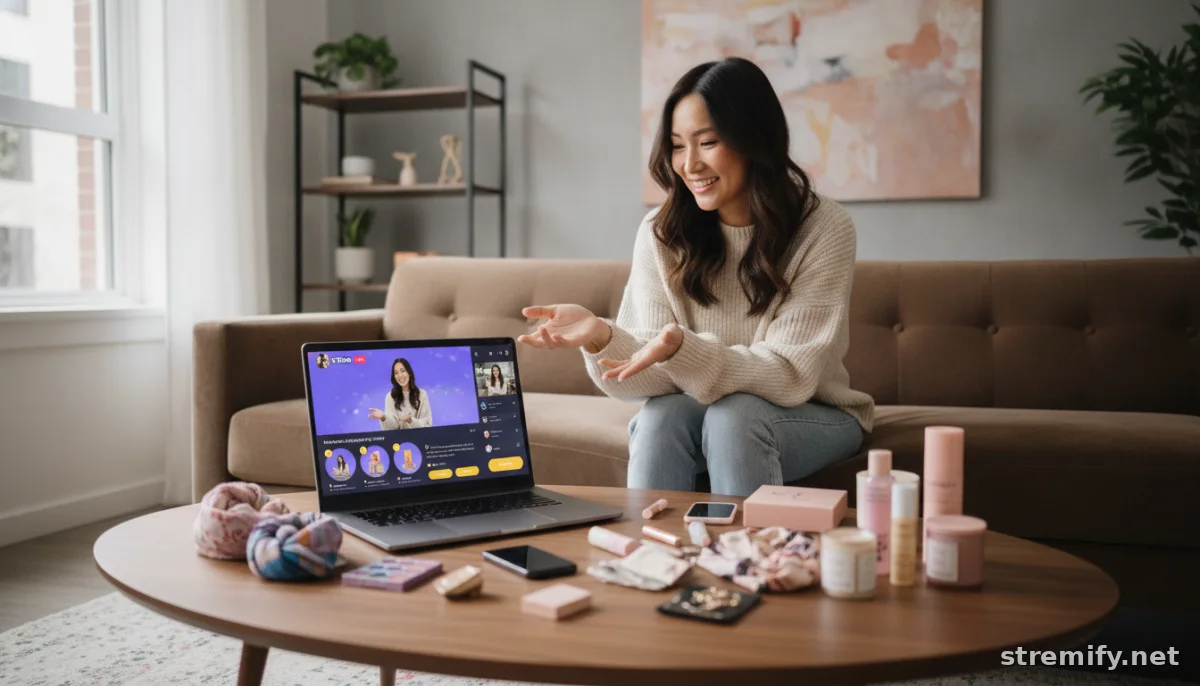
Ever seen a product sell out in minutes just because a creator clicked “Go Live”? That’s the new reality: live shopping is rewriting everything you know about ecommerce. But does it actually beat traditional online stores in sales, reach, and loyalty, or is it just hype? Time to get specific.
Live Shopping vs Traditional Ecommerce: What’s the Real Difference?
Traditional ecommerce put product shelves online, think Amazon, Shopify, or WooCommerce stores. Buyers scroll, read reviews, add to cart, check out. It’s efficient, but impersonal. Live shopping flips the experience: real people demo products, answer questions, and trigger instant buying, right inside a live video feed, usually on social platforms like TikTok, Instagram, Facebook, YouTube, or Twitch.
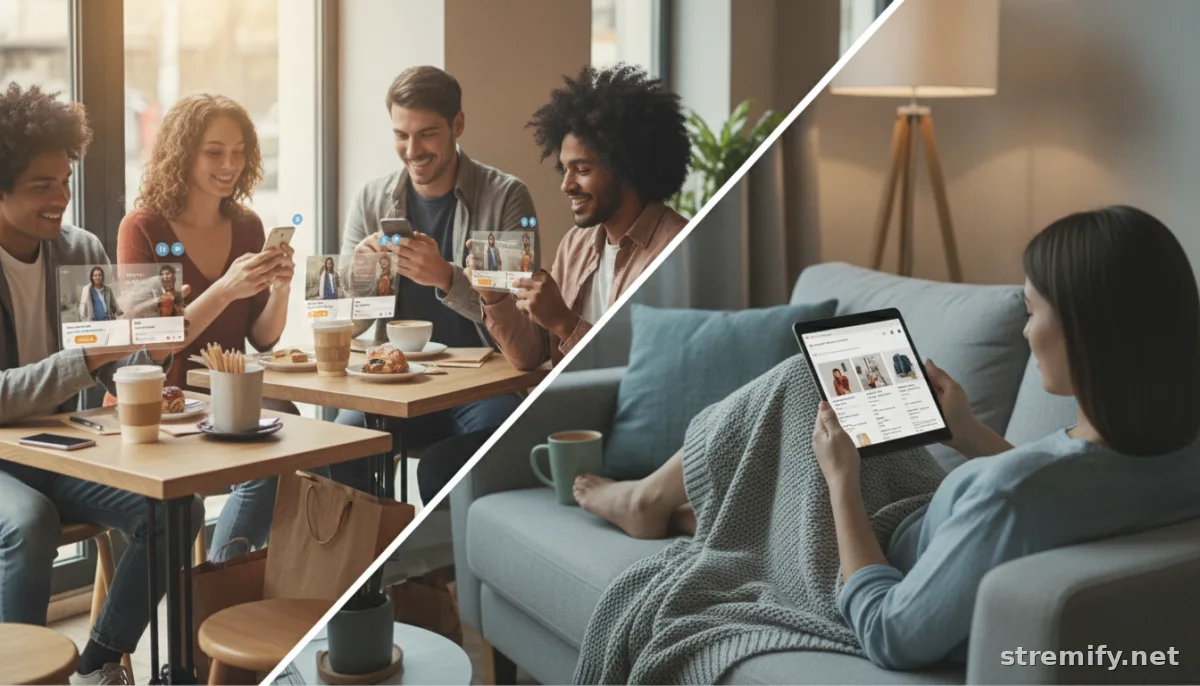
Here’s a side-by-side look at how they stack up.
| Feature | Live Shopping | Traditional Ecommerce |
|---|---|---|
| Shopping Experience | Interactive, real-time, social-driven | Self-directed browsing; static product pages |
| Engagement | High (Q&A, polls, live quizzes, comment-to-buy) | Low to moderate (reviews, limited chat) |
| Conversion Speed | Faster (impulse buying during streams) | Slower (more time from browse to purchase) |
| Sales Channel Reach | Multi-platform (social, web, live events) | Owned web stores, third-party marketplaces |
| Setup & Platform Cost | Varies; often credit-based or usage-based (e.g., Stremify: pay-as-you-go credits) | Monthly subscriptions, transaction fees |
| Brand Loyalty Potential | Stronger (personal connection, community feel) | Weaker (little real-time interaction) |
| Customer Support | Live responses, direct engagement | Email, chat bots, delayed human support |

Why Live Shopping Converts Faster (and Sometimes Cheaper)
Impulse is powerful. When you watch someone demo a moisturizer or style a jacket in real time, hesitation drops. You can ask questions, see instant answers, and buy with a tap, no endless product comparison tabs.
Live shopping platforms like Stremify bring interactive tools to the party: live polls, shoppable product cards, even quizzes with discounts for fast answers. Viewers rarely get bored or lost in the funnel. This urgency translates to conversion rates that often range from 9 to 30 percent, far above the typical 2 to 3 percent seen in traditional ecommerce.1
Cost Structure: Know What You’re Paying For
Traditional ecommerce platforms usually stick with monthly subscription fees on top of transaction cuts. Live shopping tools are moving to pay-as-you-go models. For example, Stremify lets you buy credits and spend them per streaming minute. No need to commit to a pricey plan if you’re just testing the format. Compare that flexibility to being locked into a $39 or $79 monthly ecommerce plan, plus add-ons and payment gateway fees. For smaller brands or creators, this difference is huge.
Where Traditional Ecommerce Still Wins
Not every customer wants to chat or tune in live. If you sell heavy-duty equipment, office software, or groceries, most shoppers prefer to get in, buy, and get out. Traditional ecommerce shines for search-driven, researched purchases, or when customers aren’t in the mood for social engagement. It’s also a safer bet for complex products with long comparison cycles.
Inventory and Scaling
Traditional online stores handle massive catalogs more easily. Bulk uploads, automated fulfillment, and deep analytics are their sweet spot. Live shopping platforms are catching up, but if you need a place to park 10,000 SKUs and keep things humming 24/7, a classic web store is still indispensable.
How Merchants Blend Both for Maximum Results
The smartest brands mix and match. Live shopping drives buzz, fast sales, and brand loyalty. Traditional ecommerce keeps the lights on, powers SEO, and handles big product lines. Many merchants now use live streams to launch, demo, or liquidate products, then funnel new fans into their main store for repeat purchases. For example, you might run a weekly Stremify show on TikTok or YouTube, demo your top sellers live, and drop a link straight to your Shopify-powered store for anyone who missed the event.
Which Is Right for You?
If you thrive on real-time engagement, want to boost conversions fast, and can build on-the-fly community, live shopping is your playground. If you prefer set-it-and-forget-it automation, need deep catalog management, or serve buyers who value research over hype, stick with traditional ecommerce, or run both side by side. There’s no one-size-fits-all, but the brands winning in 2026 are the ones meeting shoppers wherever they want to buy.
Fast Takeaway
Live shopping is shaking up ecommerce with speed, personality, and deeper loyalty, but classic stores still matter for scale and long-tail sales. Want to test live shopping for your brand or side hustle? Try a pay-as-you-go platform like Stremify, with no long-term lock-in. You might be surprised by how quickly the right format finds you new customers.
Frequently asked questions
What is the main difference between live shopping and traditional ecommerce?
Live shopping is interactive and happens in real time, with hosts demonstrating products and answering questions during a live stream. Traditional ecommerce involves static product listings on web stores where shoppers browse, read reviews, and buy without live interaction.
Does live shopping lead to more sales than traditional ecommerce?
Live shopping often results in faster conversions, especially for impulse purchases and trending items. Brands see higher engagement and sales during live events, but traditional ecommerce still dominates for researched or less interactive buying.
How much does live shopping cost compared to traditional ecommerce?
Live shopping platforms often use pay-as-you-go or credit-based pricing. For example, Stremify charges by streaming minute with credit packages, while traditional ecommerce platforms usually require a monthly subscription plus transaction fees.
Is live shopping better for certain products or industries?
Live shopping excels for products that benefit from demos, like fashion, beauty, and electronics. It's less suited to complex, research-heavy items or bulk commodities, where traditional ecommerce's catalog and search features are more effective.
Can you use live shopping and traditional ecommerce together?
Yes, many brands combine both approaches. Live shopping is great for launches and real-time engagement, while traditional ecommerce handles long-term sales, large catalogs, and customers who prefer self-service shopping.