
Mobile vs Desktop Live Shopping Experience: Which Wins in 2026?
Mobile drives more live shopping orders, but desktop still wins on average order value. See how behaviors and conversion rates compare, and which device is right for your next live event.
Curious why your mobile live shopping events explode with viewers, but desktop shoppers still seem to push your sales higher per order? You're not alone. As live shopping platforms like Stremify make it easy to broadcast across TikTok, Instagram, Facebook, YouTube, and Twitch, choosing which device to prioritize can feel like a moving target.
Shopper behavior, conversion rates, and technical needs are worlds apart between mobile and desktop. Here’s what’s actually happening in 2026, and how you can ride the trend, not get run over by it.
Mobile Live Shopping: The Ubiquitous Storefront
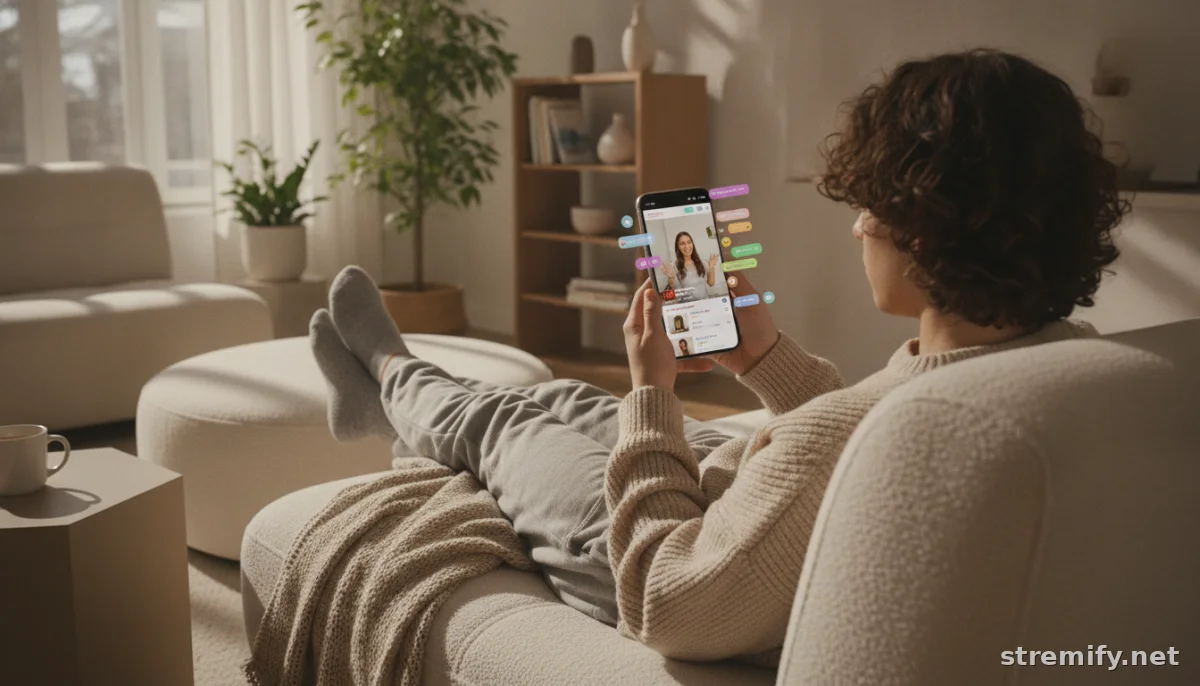
Mobile now accounts for a staggering 72% of ecommerce orders, and live shopping is no exception.1 Shoppers tune in from their sofa, commute, or kitchen, often in short, frequent bursts throughout the day. That means brands need to make every second count.
Pros:
- Massive reach: Mobile generates 70%+ of traffic for most retail sites, and live events on apps like TikTok and Instagram can go viral fast.
- Frictionless checkout: Saved payment methods and one-tap buying drive conversion rates up to 2.9%, almost matching desktop.
- Integrated features: Push notifications, interactive polls, and shoppable overlays engage viewers instantly.
- On-the-go engagement: Mobile shoppers can act on impulse and buy in just a few taps.
Cons:
- Lower average order value: Mobile orders average $71 to $112, while desktop sits at $155 to $167.2
- Shorter attention spans: Multitasking is rampant; sessions are shorter and more fragmented.
- Checkout pain points on mobile web: Abandonment rates can hit 97% unless you optimize for one-tap checkout or use apps.
- Technical headaches: Smaller screens and variable mobile connections can introduce lag or UI bugs if you don’t test rigorously.
Desktop Live Shopping: The Big Spender’s Arena
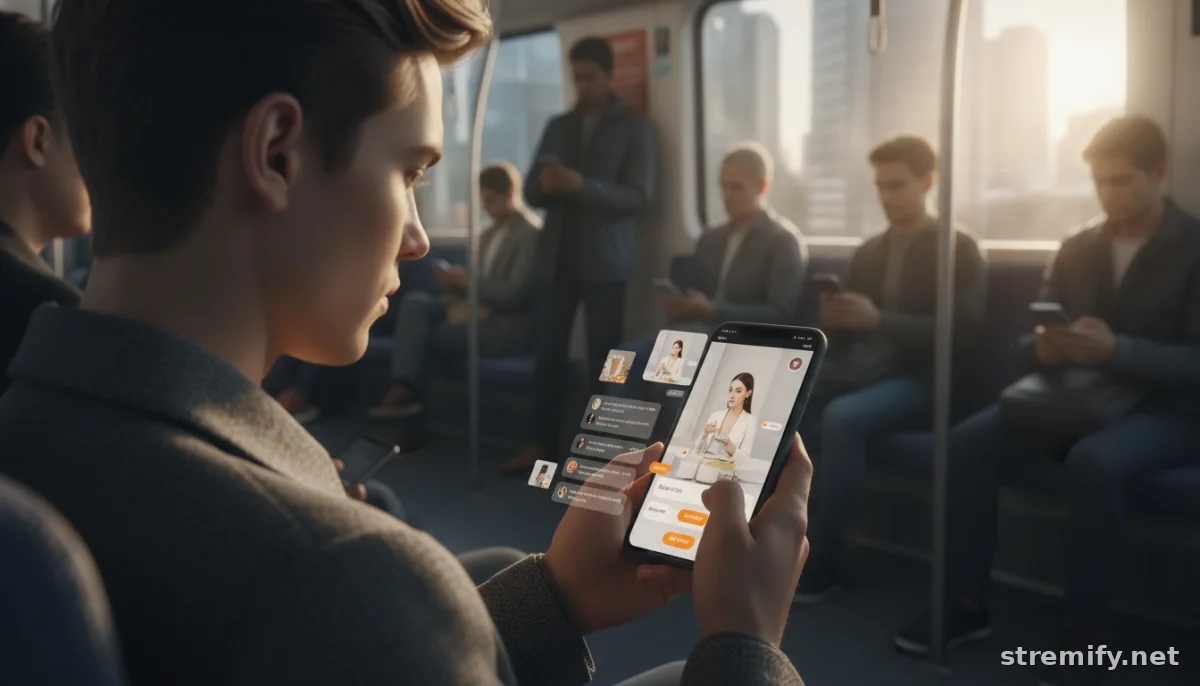
Desktop shopping now claims just 28% of orders, but don’t write it off. Desktop users spend on average 2.3 times more per order than mobile shoppers. That’s $155 to $167 every time someone checks out.
Pros:
- Order value is king: Desktop shoppers are more focused and willing to purchase big-ticket items.
- Smoother navigation: Larger screens make it easy to view detailed product info, compare options, and chat during live events.
- Stable connections: Fewer technical hiccups thanks to reliable broadband, making high-quality streams and quick checkouts the norm.
- Ideal for research-heavy purchases: Longer session lengths translate to more considered buying decisions.
Cons:
- Lower traffic: Desktop is now a minority channel for live shopping, and the trend isn’t reversing.
- Limited impulse buying: Shoppers tend to be more deliberate, so instant purchases are less frequent.
- No push notifications: Harder to pull viewers back into your event once they’ve left.
Mobile vs Desktop Live Shopping Experience: Head-to-Head
| Factor | Mobile | Desktop |
|---|---|---|
| Share of Orders | 72% | 28% |
| Average Order Value | $71-$112 | $155-$167 |
| Conversion Rate | 2.8% to 2.9% | 3.1% |
| Session Length | Short, frequent | Longer, focused |
| Technical Needs | Fast load, one-tap checkout, flexible UI | Detailed visuals, stable stream |
| Best for | Impulse buys, mass audience, social events | High-ticket items, in-depth demos |
Technical Requirements: What Actually Matters?
Mobile’s biggest success comes from streamlining everything: fast load times, clear call-to-actions, and checkout flows that don’t make shoppers jump through hoops. If your live shopping experience doesn’t support Apple Pay, Google Pay, or Shop Pay, you’re giving up revenue. For apps, push notifications and real-time overlays are a must.
On desktop, you have more screen real estate, so invest in high-res product images, multi-camera angles, and chat modules that let shoppers ask detailed questions. Robust broadband makes for smoother streaming, but don’t ignore accessibility: not all desktop shoppers have perfect eyesight or the latest laptops.
Live shopping tools like Stremify bridge both worlds, letting you design a single branded shop and stream to every channel, mobile and desktop, without building two separate workflows. If you’re serious about scaling up, tools with comment-to-buy, live quizzes, and product import from any online store will future-proof your setup.
Verdict: Which Device Wins for Live Shopping?
If you want reach and rapid sales, mobile live shopping is your engine. It’s where shoppers discover, interact, and buy on impulse, especially when you go live on platforms like TikTok Shop or Instagram Shopping. Optimize every pixel of your mobile flow and treat checkout as sacred.
But if your catalog leans toward luxury, electronics, or anything with a high price tag, desktop is still your power lane. Savvy shoppers do their research and buy big when they’re seated at a keyboard.
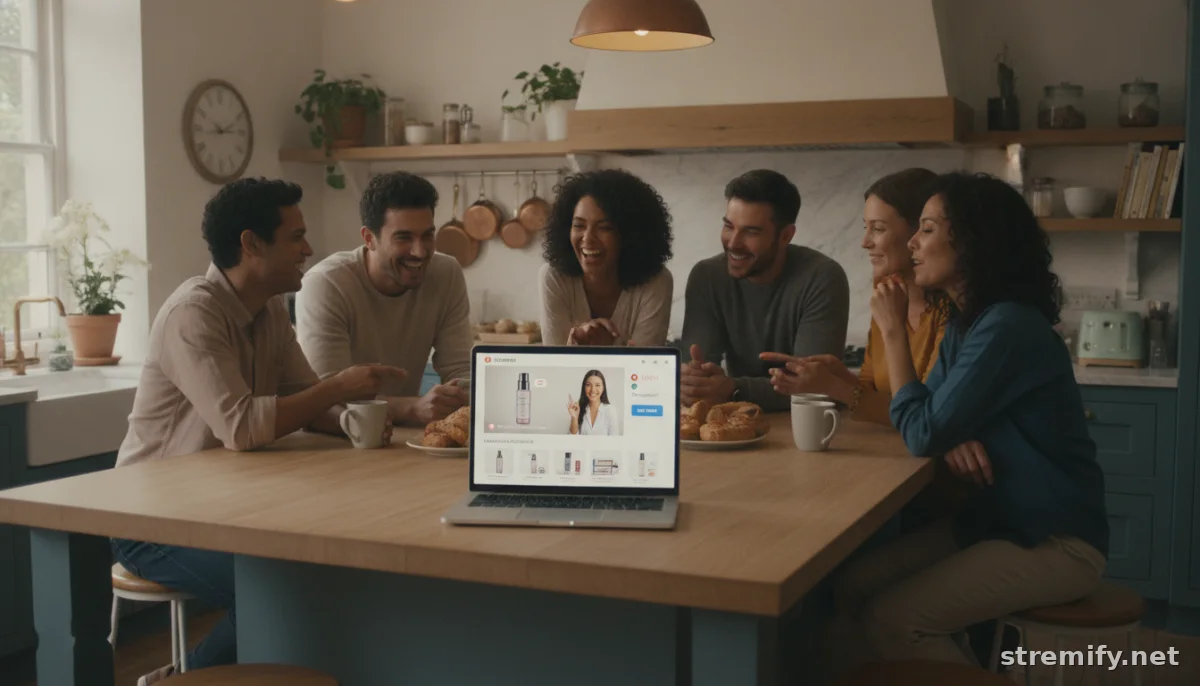
Here’s the bottom line: you don’t have to pick just one. The smart play is to design live shopping campaigns that look great and convert well on both mobile and desktop. Start mobile-first, then polish the desktop experience for your big spenders.
Ready to bring your live shopping events everywhere your audience shops? Set up your next campaign with Stremify and see just how easy it is to stream, sell, and engage across every device.
Frequently asked questions
Why do mobile shoppers place more orders but spend less than desktop shoppers?
Mobile shoppers tend to make quick, impulse purchases while multitasking, leading to higher order volume but lower average order value. Desktop users usually take more time to research, resulting in fewer but larger purchases.
Are conversion rates for mobile and desktop live shopping events different?
Conversion rates are now very close, with mobile around 2.8 to 2.9% and desktop at roughly 3.1%. Optimized mobile checkout and one-tap payments have nearly closed the historical gap.
What technical features are essential for a good mobile live shopping experience?
Fast load times, one-tap checkout options, clear calls-to-action, and interactive features like push notifications or overlays are crucial for mobile live shopping. Optimizing for app users can also reduce cart abandonment.
Is desktop live shopping still relevant with mobile’s dominance?
Absolutely. Desktop shoppers still deliver the highest average order value, especially for high-ticket items. Detailed product demonstrations and easier navigation make desktop ideal for research-heavy purchases.
How can merchants maximize sales across both mobile and desktop live shopping?
Focus on mobile-first design for reach and speed, but ensure desktop shoppers have detailed visuals and easy navigation. Use platforms that let you stream to multiple devices and enable fast, flexible checkout everywhere.