Using Influencers in Live Commerce Events: Collaboration Models, Metrics, and Modern Tactics
Influencer partnerships in live commerce events drive reach and sales. Learn about collaboration models, real-world examples, and must-track success metrics.
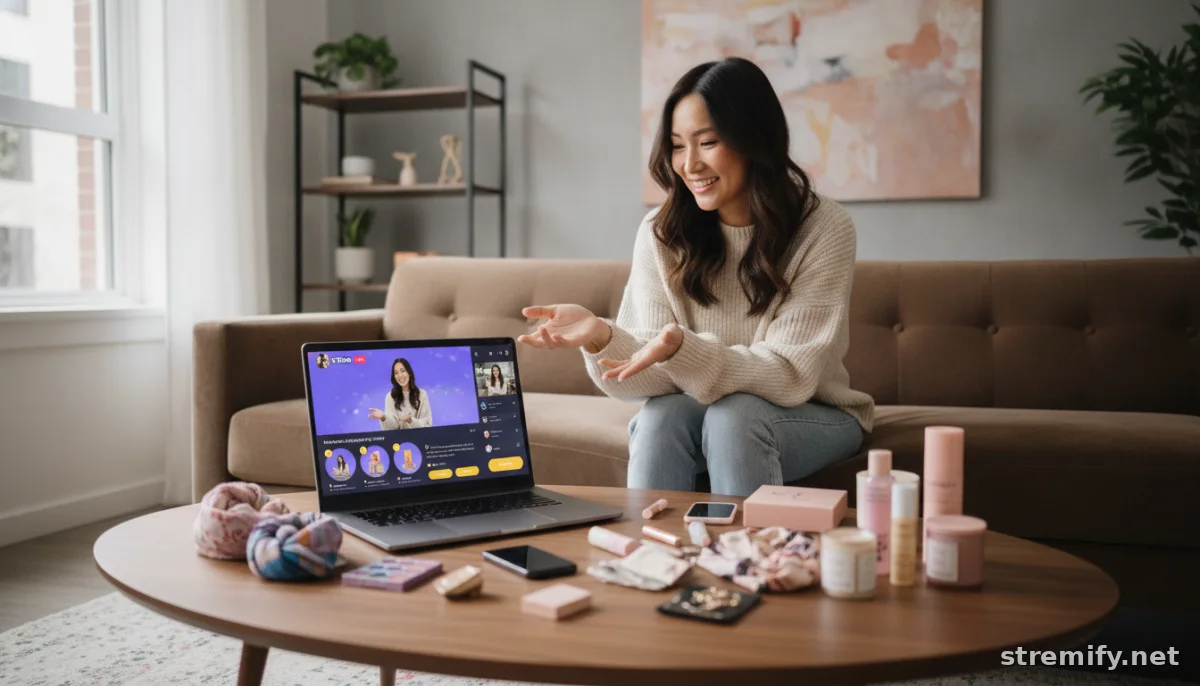
Ever seen a live shopping event explode from a few dozen viewers to thousands in under ten minutes? Influencer partnerships are often the secret. For brands and creators, using influencers in live commerce events means faster reach, higher credibility, and conversions you can actually measure. But how do you build a collaboration that pays off? Let's cut through the noise and talk about what works now, and what brands need to track.
Why Influencers Matter in Live Commerce
Live shopping’s global rise isn’t hype, it’s backed by real numbers. China still owns more than three-quarters of the global live shopping market, with platforms like Taobao routinely hosting events that pull in millions of viewers.1 In the US and Europe, the momentum is catching up fast. The hook? Audiences trust influencers far more than traditional ads. When your brand story lands with someone people already follow, their purchase intent spikes instantly.
Brands like Walmart have tapped TikTok creators for live fashion streams, drawing millions of views and spiking sales in a single evening.2 Gen Z and millennials, who make up a huge chunk of the live commerce audience, tune in specifically to see real people showcase products, not just a faceless brand logo.
Choosing the Right Influencer for Your Event
Does follower count always win? Not necessarily. Authority and authenticity beat raw reach. Micro-influencers (those with 10,000 to 100,000 followers) can deliver higher engagement rates and drive real-time sales because their audiences trust them more. Look for creators who have a proven record of product demos, responsive audiences, and a style that matches your brand’s tone and values.
Don’t discount niche or category experts. In our experience running shoppable campaigns at Stremify, merchants who partner with subject-matter hosts, think skincare experts for beauty, sneaker reviewers for streetwear, often see more qualified questions and fewer drop-offs during a live event.
Key Criteria for Influencer Selection
- Audience fit and demographics, not just total numbers
- Authenticity of product promotion in recent content
- Experience with live formats or product demonstrations
- Ability to move viewers from chat to checkout
Collaboration Models: From Co-Hosting to Affiliate Play
There’s no single blueprint for using influencers in live commerce events, but these collaboration types are pulling ahead:
- Brand Host Takeover: The influencer “takes over” your branded stream, presenting products as themselves, often on your account. This gives authenticity but keeps everything on-brand.
- Co-Stream / Dual Streaming: Both the brand and the influencer stream live at the same time on their own channels, driving viewers to one main event. This doubles your exposure and lets followers choose their preferred host.
- Affiliate or Performance-Based Models: Influencers earn commission per sale, usually tracked with unique codes or tracked links. This model fits naturally with live commerce, as viewers can buy instantly, sometimes just by commenting.
- Story-Driven Product Demos: The influencer weaves your product into a personal narrative or challenge, showcasing it in action rather than just doing a hard sell. Viewers see genuine use, which breaks down skepticism fast.
Pick your model based on your event goals. If you want rapid reach, co-streaming with a macro-influencer fits. For niche products or loyal shopper bases, micro-creators with affiliate incentives often outperform big names in terms of conversion rate.
How Influencers Drive Real-Time Engagement
Influencers aren’t just traffic drivers, they shape the whole vibe. They bring live poll questions, spin up quizzes with giveaways, and respond to viewer comments in real time. Shoppers stick around longer when they feel seen and heard. In our own campaigns at Stremify, we’ve found that running live quizzes (with small prizes or discounts) boosts average watch time by several minutes, and encourages repeat attendance.
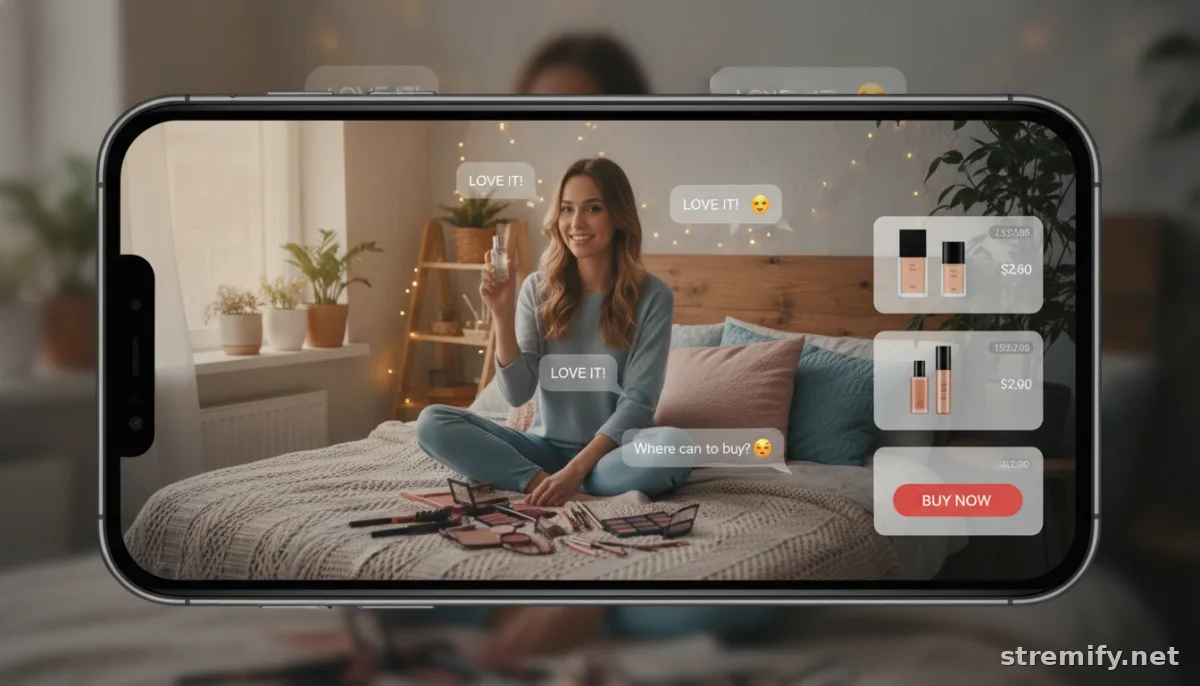
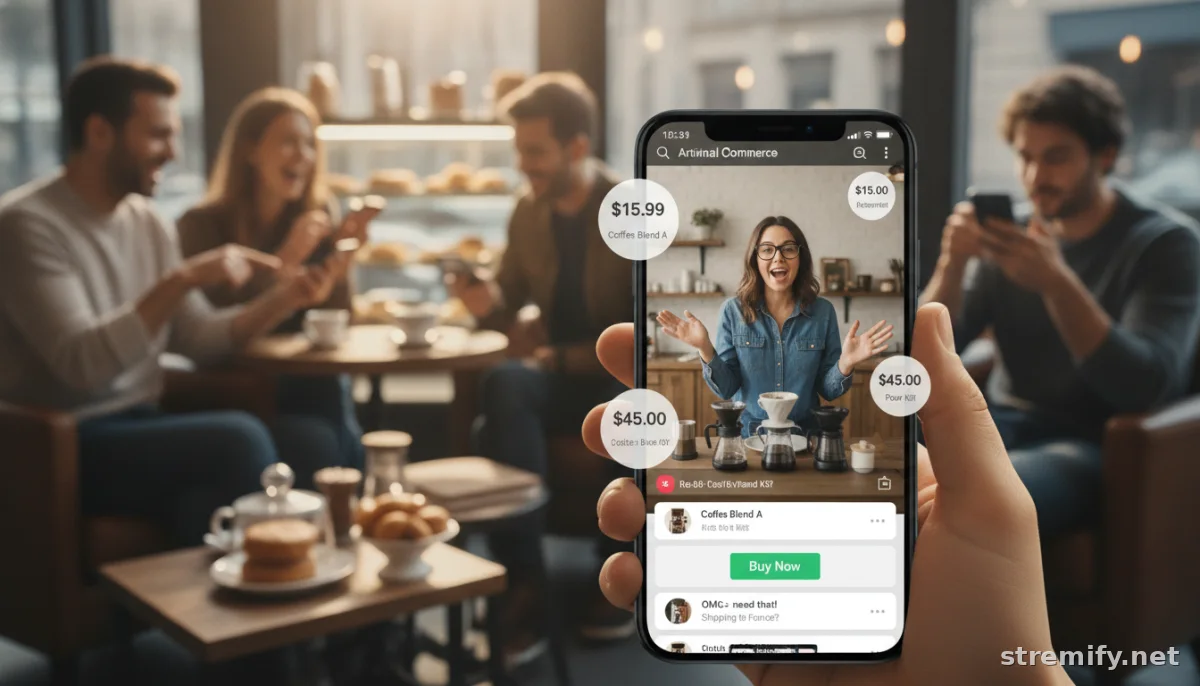
Comment-to-buy shopping is another breakthrough tactic. When viewers can purchase instantly, just by typing “BUY” or a code in the chat, the friction drops to zero. Influencers who demo this live show viewers exactly how easy it is, which flips window-shoppers into customers. Platforms like Stremify offer this natively, letting creators sync their products from stores like Shopify, WooCommerce, or Magento and broadcast across multiple social channels at once. Viewers never have to leave the stream to make a purchase, so drop-offs plummet.
Measuring Success: Metrics That Matter
Not all “reach” is worth celebrating. Here’s what you need to track when using influencers in live commerce events:
- Live Viewers and Retention: Total live attendance is nice, but average watch time tells you if the host and event format are actually engaging.
- Engagement Rate: Comments, likes, poll responses, and shares during the event, all measured in real time. High engagement predicts better conversion.
- Conversion Rate: How many viewers bought something, registered, or completed another key action? Event-specific tracking links, codes, or comment-to-buy data are crucial here.
- Revenue per Stream: Look at gross sales and average order value, not just the number of buyers. Some events drive lots of low-ticket sales, while influencer demos can move higher-value items.
- Post-Event Sales Lift: Many viewers return later via replay, so track sales for at least 48 hours after the event.
Beyond the numbers, review clip highlights, note the questions that came up, and assess how closely the audience matched your ideal customer. These qualitative takeaways shape future collaborations.
Common Pitfalls and How to Avoid Them
Brands sometimes chase vanity metrics and ignore product fit. A huge influencer with the wrong audience won’t help you sell vegan skincare, even if their follower count looks tempting. Another common mistake: treating the influencer like a megaphone for your script.3 Give them creative freedom (within clear brand guidelines) to keep things feeling natural and interactive.
Failing to plan logistics, such as syncing product inventory, prepping exclusive discount codes, or optimizing product images and descriptions for live formats, can also sink results. Pre-event rehearsals and clear communication about disclosures, affiliate rules, and real-time troubleshooting are non-negotiables.
Real-World Examples and What They Teach Us
Walmart’s partnership with TikTok creators for live shopping is textbook: high-energy hosts, slick product demos, and real-time comment engagement led to millions of views and a measurable sales spike. On the small business side, indie beauty brands that pair up with skincare creators often see powerful results with smaller but more loyal audiences. The best events feature a mix of storytelling, live Q&A, and product offers viewers can’t get elsewhere.
Eco-friendly brands are carving out space with influencers who share their values. Livestreams highlighting ethical sourcing or sustainability draw shoppers who want to spend with a conscience, another example of the importance of matching influencer and brand values.
Setting Up for Sustainable Success
Every live commerce event is a learning opportunity. Start by setting clear objectives, reach, sales, new signups, whatever matters most. Pick influencers who bring credibility and real engagement, not just followers. Track granular metrics, but don’t forget to review qualitative feedback and audience sentiment.
Platforms like Stremify give brands, creators, and retailers the tools to design branded shops, run interactive live events, and sell products directly on all the major social channels, no extra gear or tech headaches. If you’re ready to turn your next influencer partnership into sales, check out Stremify for a credit-based, pay-as-you-go approach that scales with your ambitions.
Frequently asked questions
What is the best way to use influencers in live commerce events?
The best approach is to partner with influencers whose audiences closely match your target customers and give them creative freedom to demonstrate products authentically during live streams. Use collaboration models such as co-hosting, dual streaming, or affiliate-based incentives for maximum impact.
How do you measure influencer success in live commerce events?
Track live viewers, average watch time, real-time engagement (comments, likes, shares), conversion rate, and post-event sales. Use event-specific codes or tracked links to attribute sales directly to influencer activity during and after the event.
Do micro-influencers work for live commerce or do I need big names?
Micro-influencers can be highly effective for live commerce events, often delivering higher engagement and more purchases than mega-influencers because their audiences trust their recommendations and interact more actively.
What platforms work best for running influencer-led live shopping?
Platforms like Stremify let you run influencer-led campaigns in the browser, sync products from stores like Shopify or WooCommerce, broadcast simultaneously to TikTok, YouTube, and more, and enable instant purchases through live chats.
How can influencers increase engagement during a live commerce event?
Influencers can use live polls, quizzes, direct Q&A, and comment-to-buy features to involve viewers, answer questions in real-time, and keep the audience interacting throughout the event.