Virtual Shopping Evolves: Live Shopping Platforms Gain Ground Amid AI, AR, and Personalization Trends
Live shopping is evolving fast, thanks to AI, AR, and personalized experiences. Shopify reports on new trends in virtual shopping. Here’s what matters for sellers.
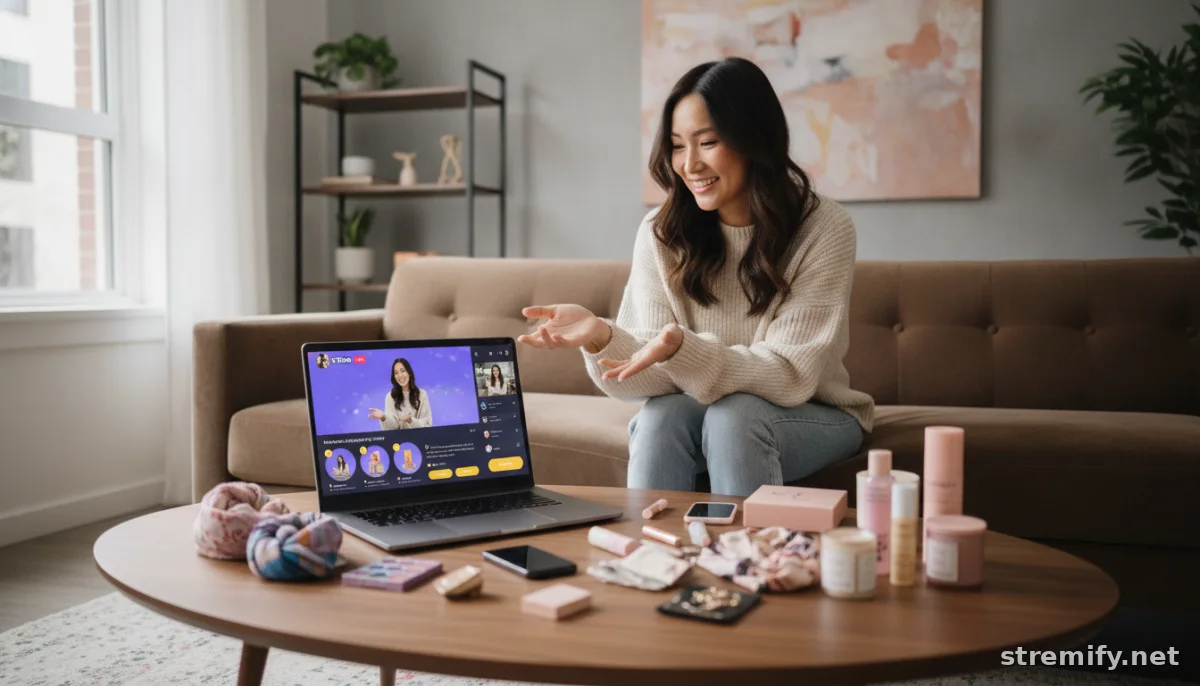
Virtual shopping is moving far beyond the typical ecommerce checkout. As first reported by shopify.com, a new wave of technologies, AI try-ons, augmented reality, and real-time video commerce, are turning passive online browsing into a deeply interactive experience for shoppers and merchants alike. The lines between physical retail, social commerce, and live shopping keep blurring as retailers and creators chase the next conversion edge.
Key details: How virtual shopping and live shopping intertwine
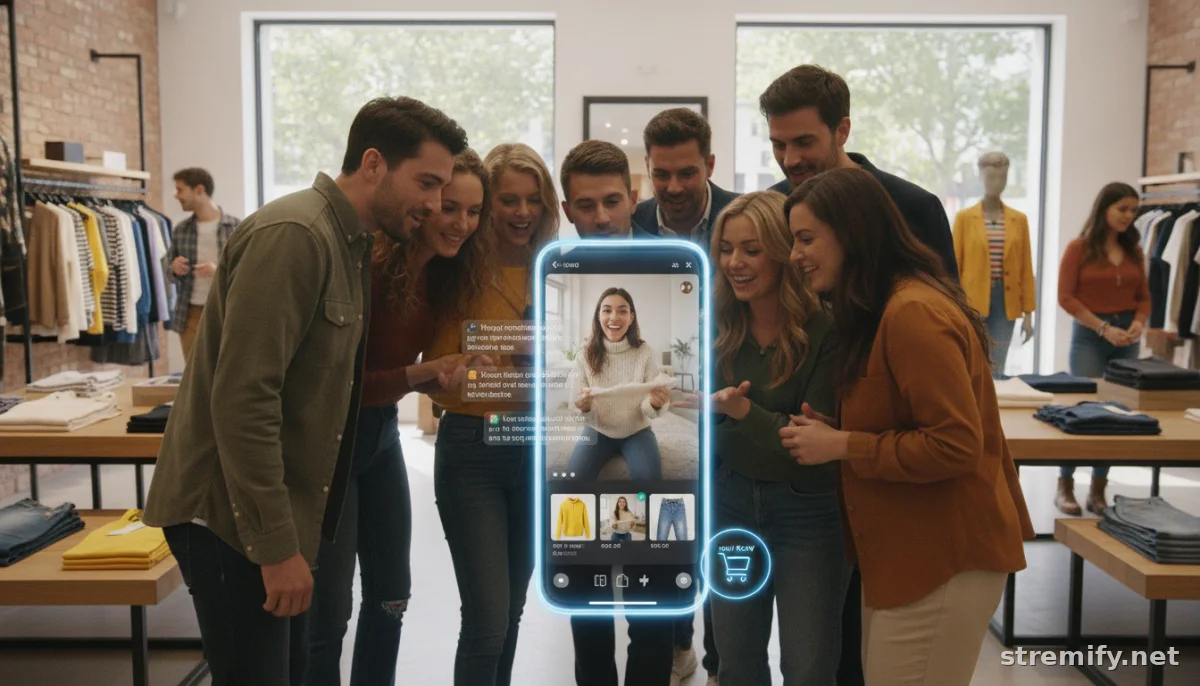
Virtual shopping now blends several technologies to create an immersive online environment. Shoppers can preview products through AR, book one-to-one video appointments with store associates, and participate in live shopping streams, all without setting foot in a physical store. As Shopify reports, features like AI-powered try-ons and live chat support are streamlining everything from product discovery to checkout.
The table below highlights the most popular virtual shopping formats and their applications:
| Format | Main Benefit | Best For | Retail Example |
|---|---|---|---|
| 1-1 Video Appointments | Personalized advice, high-ticket sales | Luxury, electronics, fashion | Personal stylist Q&A |
| Live Chat & Messaging | Instant support, guided sales | All verticals | Direct links to SKUs in chat |
| Livestream (One-to-many) | Interactive, scalable selling | Beauty, apparel, collectibles | TikTok Shop, Instagram Live |
| AR/AI Try-on | Visual fit, reduces returns | Apparel, home decor | AR fitting rooms, virtual furniture placement |
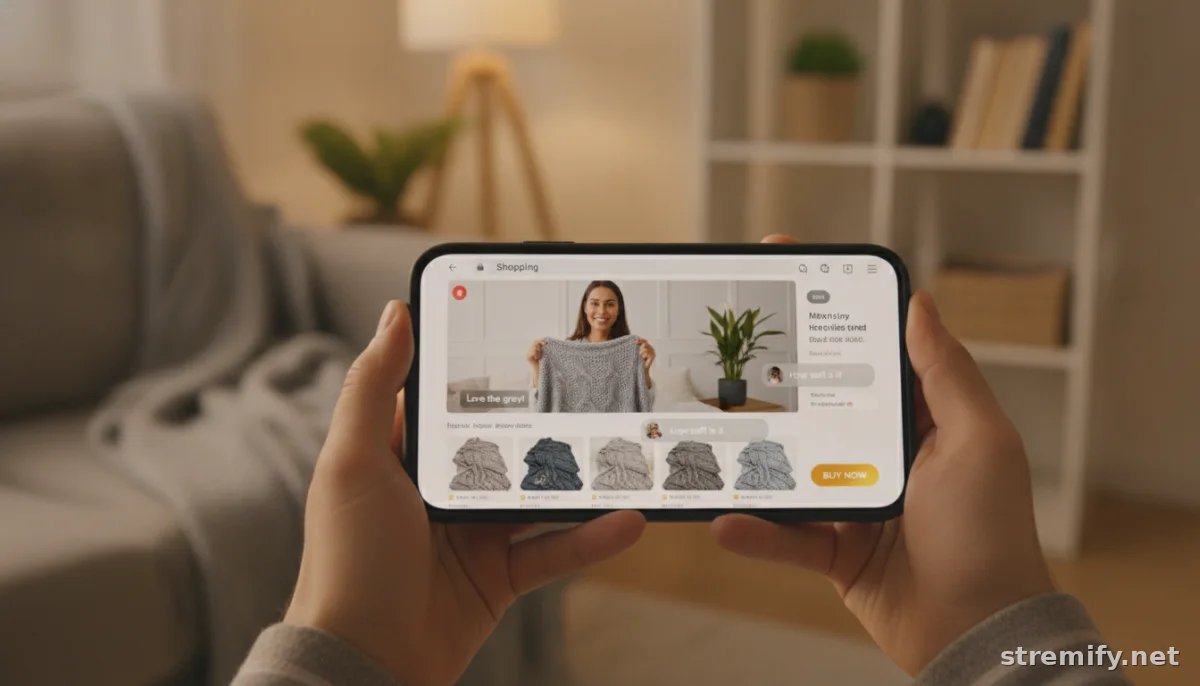
Live shopping has become the breakout format because it’s highly scalable. Creators and brands can present, demo, and answer questions for hundreds or thousands of viewers at once, while shoppable overlays and comment-to-buy tools drive real-time conversions. As social platforms like TikTok, Instagram, and YouTube ramp up their live commerce tools, the reach extends far beyond a store’s website.
What this shift means for live shopping sellers and creators
For merchants and creators, these developments are more than tech upgrades, they’re a chance to rethink how you sell. Here’s why:
- Real-time engagement now equals sales. Shoppers expect to interact, ask questions, and buy instantly, not just watch passively. Live shopping streams, powered by platforms like Stremify, make this possible across TikTok, Instagram, and more.
- Personalization wins loyalty. With AI-driven recommendations and 1-to-1 interactions, merchants can boost order values and repeat rates. When you know what your audience wants, you stop guessing, and you start closing.
- New retail roles emerge. Store associates become live hosts, creators, and community managers. Merchants who adapt can reach wider audiences while building deeper customer relationships.
- Flexible tech is key. To stay competitive, it’s not enough to bolt live shopping onto your site. You need systems that integrate your product feeds, customer data, and campaign analytics, so you can go live, respond instantly, and measure results. Platforms like Stremify let you import products from any store and stream shoppable events without a monthly subscription; credits are spent as you broadcast live.
In short, the brands that treat live shopping as a core strategy, rather than a one-off event, are setting themselves up for sustainable growth. Those who rely on traditional ecommerce tactics risk losing out as audiences demand richer, more interactive shopping experiences.
Outlook: Virtual shopping’s momentum is still building
The takeaway: live shopping is no longer a niche experiment. It’s quickly becoming the expectation, especially among younger, mobile-savvy shoppers. As AI, AR, and real-time video commerce keep maturing, expect the line between entertainment and ecommerce to blur even further. Merchants and creators who start building loyalty and expertise in live shopping now will be best positioned for whatever comes next. Curious where to start? Explore how Stremify can power your next shoppable stream.
Frequently asked questions
What is live shopping?
Live shopping is a real-time online selling format where hosts present and demo products in a livestream, and viewers can interact, ask questions, and purchase instantly.
How does live shopping increase sales?
Live shopping creates urgency and engagement through live demos, real-time answers, and instant checkout, leading to higher conversion rates and larger order values compared to static ecommerce.
Which platforms support live shopping?
Popular platforms for live shopping include TikTok, Instagram, Facebook, YouTube, and tools like Stremify that let you stream shoppable events across multiple channels.
What technology is used in live shopping?
Live shopping platforms use video streaming, real-time chat, shoppable overlays, product catalog integration, and sometimes AR or AI tools for features like virtual try-ons.
What makes live shopping different from regular ecommerce?
Unlike traditional ecommerce, live shopping offers interactive, real-time experiences where customers can participate in product demos and complete purchases without leaving the stream.