
Streaming Sales Tax Compliance: The Essential Guide for Live Shopping Events
Live sales events cross borders, and so do sales tax rules. Here’s how to manage streaming sales tax compliance wherever your audience shops from.
Last year, a digital retailer paid six figures in penalties for missing sales tax in just three states. If you’re running live shopping events, especially across TikTok, YouTube, Facebook, and Instagram, your risk multiplies fast. Streaming sales tax compliance isn’t a headache only for the major players. It’s a minefield for every merchant who sells live online.
Let’s break down exactly what you need to know (and do) to keep your business, and your reputation, safe, no matter where your viewers or customers are shopping from.
Why Streaming Sales Tax Compliance Is So Complicated
Sales tax rules were already a maze before live shopping took off. Now, if you’re streaming and selling to shoppers scattered in different states, or even different countries, you need to know where you’re legally required to collect tax, what counts as a taxable sale, and how rates differ (sometimes by city or county, not just state).
The biggest challenge? Nexus. That’s your obligation to collect and remit sales tax in a location. Nexus can be triggered by having a physical store, a warehouse, employees, or even just hitting a certain sales volume or transaction count in a state. Since the South Dakota v. Wayfair decision, even online-only sellers can quickly build up economic nexus just by making enough sales into a state.
How Different Regions Treat Streaming Sales Tax
The rules for streaming, digital services, and live shopping vary. In the US, some states tax digital goods and services (including streaming and SaaS sales), while others don’t. Even within a single state, a product’s tax status might depend on how it’s delivered or what it’s called.1
Here’s a snapshot of recent trends:
- Georgia, Florida, and Louisiana each started taxing streaming services in the past year.
- States like Maine and Colorado are making moves to clarify or expand their digital tax rules.
- Localities can add more complexity, Chicago’s amusement tax covers digital streaming, for example.
Outside the US, VAT and GST requirements also kick in as soon as you sell across borders. The EU, UK, Canada, and Australia all expect digital sellers to register and charge tax once they cross certain revenue thresholds.
A Quick Comparison: US vs. EU Streaming Sales Tax Rules
| Region | What’s Taxed? | Registration Trigger | Tax Filing Frequency |
|---|---|---|---|
| US (by state) | Physical and digital goods, some services, streaming | Nexus (physical or economic) | Monthly, quarterly, or annually |
| EU | Digital goods and services, streaming, downloads | Thresholds apply (country-specific) | Quarterly or monthly |
| UK | Digital goods and services | £85,000 threshold | Quarterly |
Essential Best Practices for Streaming Sales Tax Compliance
Staying compliant isn’t just about charging tax at checkout. Here’s what you need to do, whether you’re a solo seller or running a team:
- Track your nexus. Map out where you have obligations, by sales volume, transactions, or physical presence. Economic nexus triggers at different thresholds state by state.
- Keep up with changing tax laws. States and countries update rules and expand what’s taxable every year. Assign someone on your team, or use software, to monitor these changes.
- Collect and validate exemption certificates for any tax-exempt transactions. This isn’t just a formality, missing or invalid certificates are a common audit trigger.
- Automate tax calculation. Manual calculations are risky, especially when you’re selling during a fast-paced live event. Use tax automation tools to plug directly into your checkout or live selling platform.
- Consider running regular internal audits. Spotting problems early beats finding them during a revenue authority audit.
- Decide on in-house vs. outsourced compliance. If you’re scaling up or selling into multiple regions, outsourcing tax management may be cheaper than handling costly mistakes later.
Live Shopping: Special Compliance Risks
Live shopping brings unique headaches. Rapid-fire comments, impulse buys, and cross-border audiences all mean you can rack up out-of-state sales in minutes. In our experience running live shopping campaigns via Stremify, we’ve seen sellers reach economic nexus in new states just by running a successful event with viral reach.
Two big traps to watch for:
- If your platform lets shoppers buy directly from the comment stream, you must collect accurate buyer location info for correct tax calculation.
- Streaming to multiple channels at once increases your exposure. Make sure your tech stack supports live, automated sales tax calculation and reporting for every region you target.
Technology Solutions for Tax Compliance
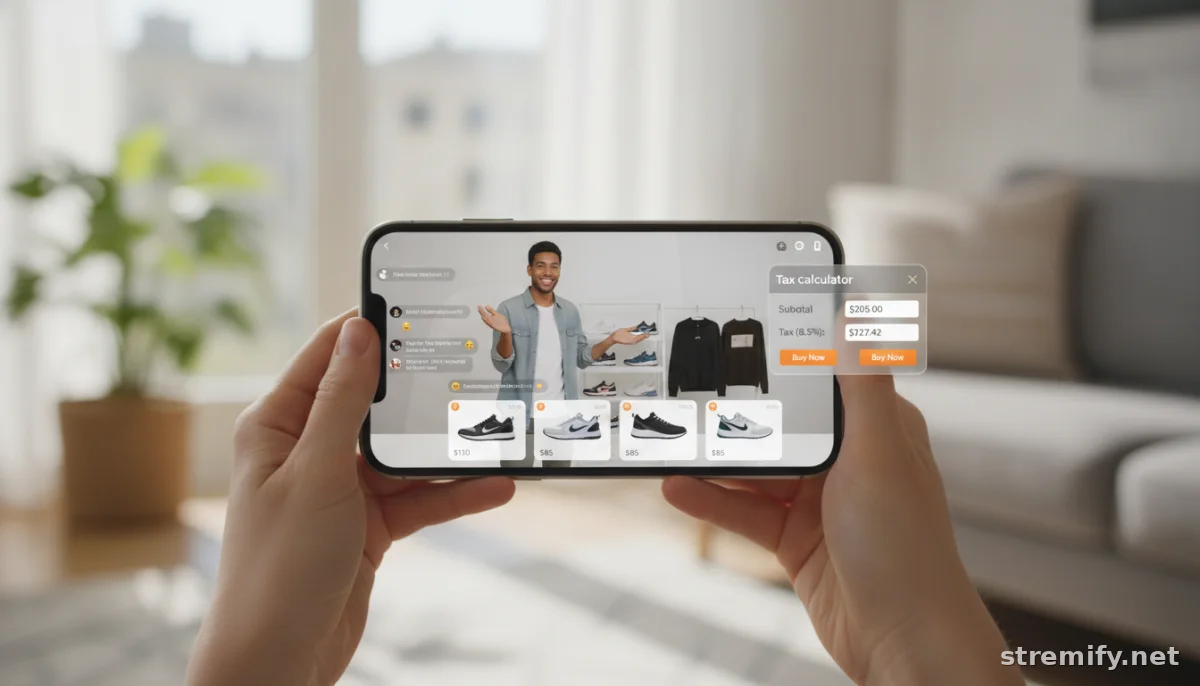
Don’t run blind. Today’s tax automation tools can automatically map nexus, calculate rates, and track exemptions for you. Some, like Numeral or Vertex, are built for e-commerce platforms and integrate directly with checkouts and CRMs. For live shopping, make sure your chosen solution can handle real-time purchases, without slowing down the buyer experience or missing transactions in the rush of a livestream.
At Stremify, we’ve found that integrating automated tax calculation into every live shopping campaign helps sellers avoid last-minute tax surprises. It’s one of the best moves you can make as your live-stream sales grow.
Final Takeaway
As digital sales push into new regions through streaming and live shopping, sales tax risks increase. The basics haven’t changed, know your nexus, stay alert to local laws, automate where possible, and audit yourself before the authorities do. The difference is, these days, you need to do it all at streaming speed.
If you’re ready to scale your live shopping with built-in tax compliance, Stremify can help you broadcast, sell, and stay compliant worldwide.
Frequently asked questions
How do I know if I need to collect sales tax during a live stream sale?
You need to collect sales tax during a live stream sale if you have tax nexus in the shopper's location. Nexus can be triggered by sales volume, transaction count, or having a physical presence, depending on local laws. Always check the rules for each region your customers are in.
What are the biggest compliance risks with streaming sales tax?
Major risks include missing economic nexus in states where you make sales, failing to update tax rules regularly, not collecting valid exemption certificates, and manual errors during quick live sales. Automation and consistent audits can help reduce these risks.
Can I automate sales tax collection for live shopping events?
Yes, many tax automation tools integrate with live shopping platforms to calculate, collect, and help remit sales tax in real time. Choose a solution that supports rapid-fire purchases across multiple regions and keeps up with changing tax rates.
Are digital streaming services taxed everywhere?
No, digital streaming services are taxed in some states and exempt in others. Some regions have local taxes that also apply. Always research each region’s current rules, as laws change frequently.